
16 November 2023

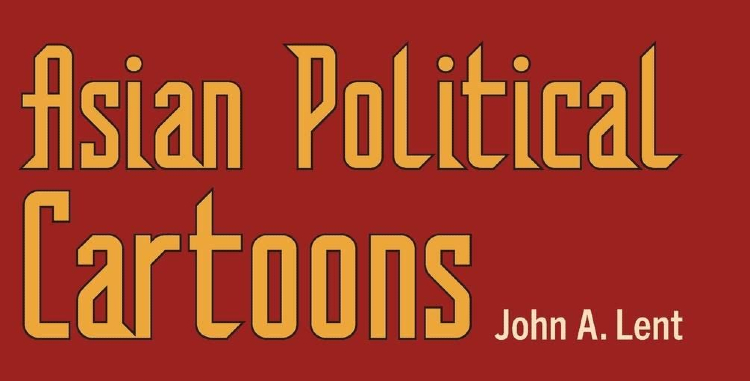
Asian Political Cartoons


Asian Political Cartoons

John A. Lent’s Asian Political Cartoons is a remarkable and comprehensive book, covering the history of political cartoons in no fewer than twenty countries. As the publisher claims, with justification, it is “not only the first such survey in English, but the most complete and detailed in any language.” Lent has interviewed more than 200 cartoonists — most notably, Zunar in Malaysia — and made multiple research trips to each of the countries he documents.

Histories of political cartoons traditionally focus on revolutionary France, Georgian Britain, and the Reconstruction era in the United States. Lent’s book, on the other hand, is a window into a previously inaccessible world of satirical art. He shows how cartoonists have challenged authoritarian regimes throughout Asia, and assesses the varying degrees of “freedom to cartoon” in the region (such as the repressive treatment of Mana Neyestani in Iran and Arifur Rahman in Bangladesh).

For his chapter on Thailand, Lent interviewed Chai Rachawat and Arun Watcharasawad, veteran cartoonists who have covered Thai politics since the 1970s for Thai Rath (ไทยรัฐ) and Matichon (มติชน), respectively. He discussed the Thaksin Shinawatra era with Buncha and Kamin from Manager (ผู้จัดการรายวัน), and he describes the enforced ‘attitude adjustment’ of another Thai Rath cartoonist, Sia, under Prayut Chan-o-cha’s military rule. He also covers the rise of anonymous online satirists such as Khai Maew. (Sia wasn’t interviewed for the book, though he spoke to Dateline Bangkok last year.)

The scope of Asian Political Cartoons is unprecedented, though Cherian George’s Red Lines also examines political cartooning from an international perspective. Victor S. Navasky’s The Art of Controversy covers European and American political cartoons, and Alexander Roob reproduces early newspaper cartoons in The History of Press Graphics 1819–1921.
14 November 2023

Small-Talk


Small-Talk

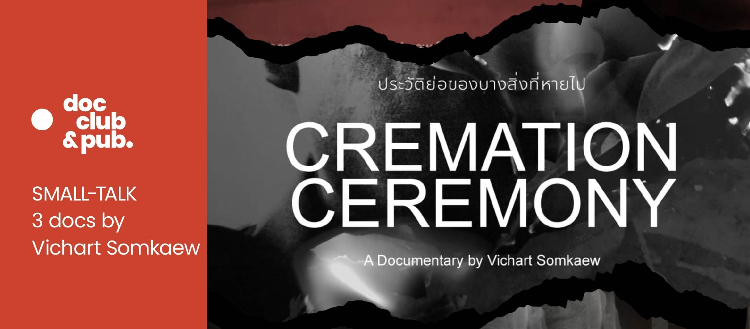
Cremation Ceremony (ประวัติย่อของบางสิ่งที่หายไป) will be shown as part of a triple bill of short films by Vichart Somkaew at Doc Club and Pub in Bangkok this month. The Small-Talk programme will be screened on 16th, 19th, 21st, 22nd, 23rd, 26th, and 28th November; and 1st, 4th, and 12th December. Vichart will be present for a post-screening discussion on 19th November. Cremation Ceremony was previously shown at this year’s Chiang Mai Film Festival (เทศกาลหนังแห่งเมืองเชียงใหม่), and at Wildtype 2023.

The film, which resembles a video installation, shows the faces of three politicians staring impassively at the viewer. The three men — Anutin Charnvirakul, former health minister; and two former prime ministers, Abhisit Vejjajiva and Prayut Chan-o-cha — are each associated with gross injustices. Anutin oversaw the Thai government’s initially sluggish response to the coronavirus pandemic. Abhisit authorised the shooting of red-shirt protesters in 2010. Prayut led a coup, and his government revived lèse-majesté prosecutions.

Vichart sets fire to photographs of the three men, their faces distorting as the photographic paper burns. There is no dialogue, and the only sound is the crackling of the flame. This symbolic ritual is a commemoration of the deaths of Covid-19 victims, red-shirt protesters, and political dissidents, though it’s also a metaphorical act of retribution, as the three men have faced no consequences for their actions. (Anutin recently returned to government, Abhisit was cleared of all charges by the Supreme Court in 2017, and Prayut announced his retirement this year.)

While the three portraits burn slowly, captions mourn the red-shirts shot at Wat Pathum Wanaram, political prisoners charged under article 112, and — most tragically — casualties of the coronavirus. Arnon Nampa’s speech calling for reform of the monarchy is also summarised in the captions, and the film ends on an optimistic note: a final caption explains that pro-democracy parties “emerged victorious” in this year’s election. (The film was made before the progressive election winners were denied a place in the governing coalition and replaced by the political wings of the military junta.)

11 November 2023

Landscape of Unity the Indivisible


Landscape of Unity the Indivisible

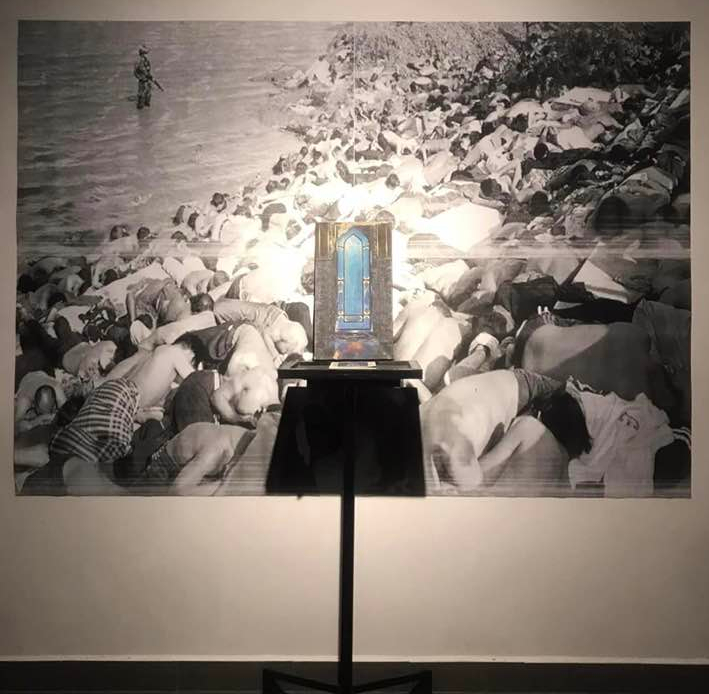
Manit Sriwanichpoom’s exhibition Landscape of Unity the Indivisible (ทิวทัศน์แห่งความเป็นหนึ่งอันมิอาจแบ่งแยก) opens tomorrow at Galerie Oasis in Bangkok, and runs until 29th January next year. Manit has enlarged press photographs of two notorious instances of state violence in southern Thailand that took place in 2004: the massacre of insurgents at Krue Se Mosque, and the suffocation of protesters at Tak Bai. The artist has painted over areas of the photographs with red, white, and blue paint, representing the colours of Thailand’s flag, though the dominant colour is red, which also signifies the blood of the victims. The security forces have never been held accountable for either Krue Se or Tak Bai, and the statute of limitations expires next year, giving Manit’s exhibition a sense of urgency.

The Thaksin Shinawatra government prohibited the broadcasting of video footage of the Tak Bai incident. In defiance of the ban, Same Sky (ฟ้าเดียวกัน) magazine distributed a VCD — ความจริงที่ตากใบ (‘the truth at Tak Bai’) — with its October–December 2004 issue (vol. 2, no. 4). The footage is also included in Teerawat Rujenatham’s short film Tak Bai, and in two documentaries: Thunska Pansittivorakul’s This Area Is Under Quarantine (บริเวณนี้อยู่ภายใต้การกักกัน) and Prempapat Plittapolkranpim’s 18 Years. (Thai Cinema Uncensored discusses the representation of Tak Bai by Thai filmmakers.)

Landscape of Unity the Indivisible is this year’s third exhibition featuring art inspired by Tak Bai, after รำลึก 19 ปี ตากใบ (‘remembering 19 years of Tak Bai’) and Heard the Unheard (สดับเสียงเงียบ). Tak Bai photographs were also shown at the Deep South (ลึกลงไป ใต้ชายแดน) exhibition last year. Apichatpong Weerasethakul’s Photophobia series also incorporates press photographs of the incident, as does the interactive installation Black Air by Pimpaka Towira, Akritchalerm Kalayanamitr, Koichi Shimizu, and Jakrawal Nilthamrong.

Jehabdulloh Jehsorhoh’s Violence in Tak Bai (ความรุนแรงที่ตากใบ) features tombstones marking the graves of each victim, and his book The Patani Art of Struggle (سني ڤتاني چاراو او سها) shows three versions of the installation in situ. It was first exhibited a few days after the massacre, and the grave markers were accompanied by rifles wrapped in white cloth. In 2017, it was mounted on a plinth containing Pattani soil at the Patani Semasa (ปาตานี ร่วมสมัย) exhibition.

Two other installations — Jakkhai Siributr’s 78 and Zakariya Amataya’s Report from a Partitioned Village (รายงานจากหมู่บ้านที่ถูกปิดล้อม) — both feature lists of the Tak Bai victims’ names. Photophobia, 78, and Violence in Tak Bai were all included in the Patani Semasa exhibition. (The exhibition catalogue gives Violence in Tak Bai a milder alternative title, Remember at Tak Bai.) Patani Semasa also featured Ruangsak Anuwatwimon’s sculpture No Country Like Home, which incorporates a bullet-ridden tablet from the Krue Se Mosque.

PDF

09 November 2023

Pulp Fiction


Pulp Fiction

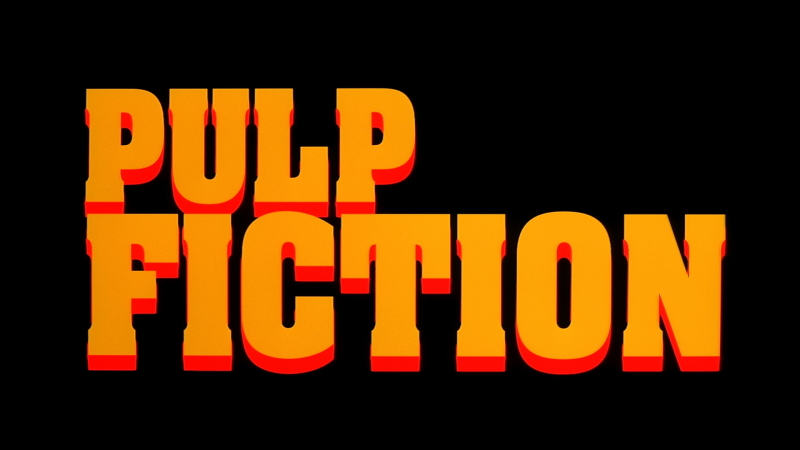
Neighbourhood, the Bangkok community mall that began regular outdoor film screenings last month, will show Pulp Fiction tomorrow. Quentin Tarantino’s classic was previously shown at House Samyan and Bangkok Screening Room in 2019, and at Cinema Winehouse in 2018 and 2015.

Sondhi v. Prachatai


Prachatai

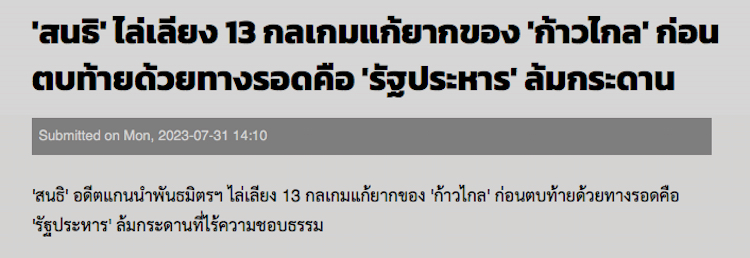
Thailand’s Criminal Court yesterday dismissed a defamation lawsuit filed by media mogul Sondhi Limthongkul against the online news organisation Prachatai. Sondhi had filed the case in August, claiming that Prachatai misrepresented his opinion by falsely implying that he supported another coup.

In a Facebook post on 31st July, Sondhi speculated on the future of Thai politics, listing thirteen potential scenarios. The last of these was the possibility of another coup, which he described as “ไร้ความชอบธรรม” (‘illegitimate’). Later that day, the Prachatai website reported Sondhi’s comments about the chances of a coup, though its headline omitted the word ‘illegitimate’.

The Criminal Court noted that the first sentence of Prachatai’s article quoted his reference to an ‘illegitimate coup’, and that the article also went on to reproduce Sondhi’s list of thirteen scenarios in full, thus mitigating any potential misunderstanding caused by the headline. (Dateline Bangkok raised the same points a few days after Sondhi sued Prachatai.)

01 November 2023

Cannibal Holocaust (4k blu-ray)


Cannibal Holocaust Cannibal Holocaust

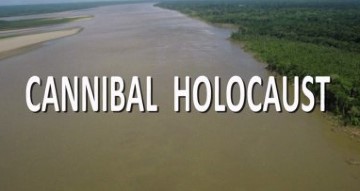
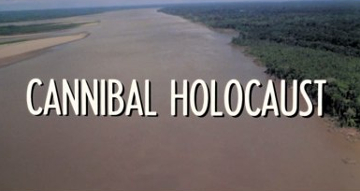
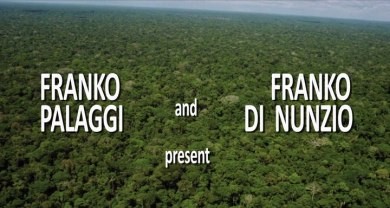
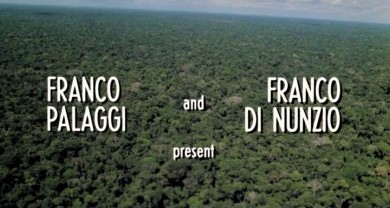
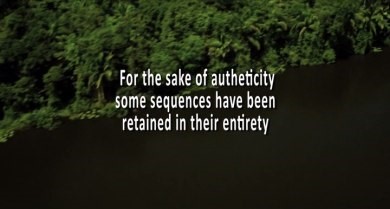
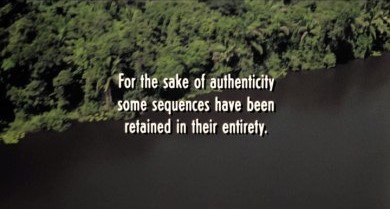
Ruggero Deodato’s Cannibal Holocaust was remastered in 4k for the first time by 88 Films in the UK last year, and their new transfer was released on UHD blu-ray and standard blu-ray discs. The film’s opening titles were digitally recreated for the 4k version, using a slightly different typeface [pictured left] compared to the original version [right]. The new titles include several typos: Franco Palaggi and Franco Di Nunzio’s first names both mistakenly appear as “FRANKO”, and ‘authenticity’ is misspelt as “autheticity”. (A full stop is also missing.)

As a UK release, the 4k version has been censored by the BBFC, though only one sequence — the killing of a coati — has been cut. As if to offset the typos and censorship, the 88 Films discs also include an excellent new audio commentary by horror expert Kim Newman and writer Barry Forshaw. The US blu-ray, from Grindhouse Releasing, is uncensored, though for purists the only truly complete version is the Dutch Ultrabit DVD edition: in this print, the documentary sequence The Last Road to Hell is a few seconds longer.

The film is notoriously shocking, and remains one of the most famous titles caught up in the ‘video nasties’ moral panic in the UK during the early 1980s. Its genuine cruelty to animals is, of course, indefensible, but it’s also notable as the first ‘found footage’ horror film, directly influencing The Blair Witch Project and indirectly inspiring the wave of Blair Witch imitations that followed.


Cannibal Holocaust is undeniably an exploitation movie — from a cycle of cannibal-themed Italian horror films that began with Man from Deep River (Il paese del sesso selvaggio) — though it transcends that reputation with its critique of the mondo documentary subgenre. As discussed in Killing for Culture, mondo films mutated from the relatively mild Mondo Cane to violent ‘shockumentaries’, a trend that Cannibal Holocaust both condemns and exploits.

Surprisingly, the film has been available uncut on DVD in Thailand for more than twenty years, prior to the introduction of the rating system. (As noted in Thai Cinema Uncensored, Thai film censors are concerned far more with politics and religion than with violence.) It was shown at Jam in Bangkok in 2015, and a screening at Thammasat University was planned in 2020, though this was cancelled due to the coronavirus lockdown.

Cannibal Holocaust is not the only film whose title sequence has been mangled on blu-ray. All standard blu-ray releases of Ingmar Bergman’s classic The Seventh Seal (Det sjunde inseglet) feature a Swedish title screen with a missing word: “SJUNDE INSEGLET”. (The definite article “DET” has been omitted; 4k UHD blu-ray releases are unaffected.)

31 October 2023

The Disturbing Movie Iceberg


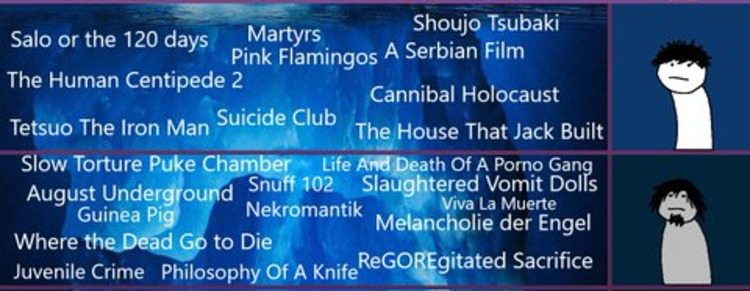
In 2021, a Reddit user known as Nice Guy Phil posted an infographic titled The Disturbing Movie Iceberg, an eight-tiered hierarchy of violent and offensive films. The metaphor in the title suggested that the films in tier one were ‘the tip of the iceberg’, while those in tier eight were the most disturbing films imaginable.

The chart generated a great deal of interest online, though most people who saw it were unaware of most of the films listed. In fact, it’s not advisable to seek out many of the films in the chart, and the only recommended films are those in tiers three and four. (The other tiers are either too mild to be considered truly disturbing, or too extreme to be considered narrative films.)

Tier one consists of mainstream horror movies that are entirely conventional and uncontroversial. Tier two features titles that are slightly more violent than those in tier one, including mainstream horror films that have been dismissed as ‘torture porn’.

Tiers three and four are the core of the list, and most viewers should confine themselves to these tiers. The exploitation films in tier three, such as Cannibal Holocaust, are not mainstream titles, though they have all been theatrically released. Tier four features fake snuff films released on video, including the Guinea Pig (ギニーピッグ) series.

The titles in the remaining tiers are not commercial feature films, and should be avoided by most viewers. Tier five features Japanese porn videos, and tier six consists of mondo videos. The final two tiers contain extreme online material: fetish porn in tier seven, and death clips in tier eight.

(A compilation of footage from the 7th October Hamas attack on Israel, untitled though known colloquially as the ‘video of horrors’, would surely find a place in tier eight, though it has not been released to the public. The video, variations of which are between forty-four and forty-seven minutes long, was edited by Mattan Harel-Fisch and includes uncensored footage of the deaths of many Israelis on that day. It has been shown to journalists, politicians, and diplomats at various private screenings.)

26 October 2023

Short Film Marathon 27


The 27th Thai Short Film and Video Festival (เทศกาลภาพยนตร์สั้น ครั้งที่ 27) runs from 16th December until Christmas Eve at the Thai Film Archive in Salaya. As a prelude, all of the films submitted will be screened in alphabetical order in this year’s online Short Film Marathon (หนังสั้นมาราธอน), between 31st October and 6th December.

The Thai Short Film and Video Festival, founded in 1997, is Thailand’s longest-running film event. Whereas other festivals have come and gone, the Thai Short Film and Video Festival goes from strength to strength: 400 films were submitted last year, and this year the total has increased to 600, though only a fraction will be selected for the main event.

A Love Letter to My Sister
Red Poetry

Highlights this year include A Love Letter to My Sister by video journalist Napasin Samkaewcham, a deeply moving documentary about the volatile relationship between his parents. It will have its first public screening on 11th November.

Also, the feature-length version of Supamok Silarak’s documentary Red Poetry (ความกวีสีแดง) — a profile of performance artist Vitthaya Klangnil, who has been convicted of lèse-majesté — will be shown on 16th November. (It has previously been shown only at under-the-radar screenings in Chiang Mai.)

Three standouts from the Wildtype 2023 event — Chulayarnnon Siriphol’s ANG48 (เอเอ็นจี48), Vichart Somkaew’s Cremation Ceremony (ประวัติย่อของบางสิ่งที่หายไป), and Koraphat Cheeradit’s Yesterday Is Another Day — are also included, showing on 2nd, 4th, and 19th November, respectively. (Cremation Ceremony and Yesterday Is Another Day were previously screened at this year’s Chiang Mai Film Festival (เทศกาลหนังแห่งเมืองเชียงใหม่), and Yesterday Is Another Day has also been shown at Silpakorn University.)

Chatchawan Thongchan’s From Forest to City (อรัญนคร), one of the best Thai short films of the year, will be shown on 6th December. Koraphat Cheeradit’s experimental, transgressive film ...Tomorrow I Fuck with Yesterday Now! is screening on 19th November.


กลุ่มอิสระล้อการเมือง 14 ตุลา (‘political parody of 14th Oct.’), Warat Bureephakdee’s satirical commentary on the aftermath of the 14th October 1973 massacre, is screening on 21st November. Warat’s collage film reappropriates footage from the documentary อนุทินวีรชน 14 ตุลาคม (‘diary of 14th October heroes’), and he takes a skeptical view of the claims of democratic freedom that were made after the event. The film ends with the caption “ถนอม WILL RETURN” (‘Thanom will return’), in the style of the James Bond series, though in this case the ominous reference is to military dictator Thanom Kittikachorn. Thanom was sent into exile after the massacre, though he did indeed return to Thailand in 1976, and this precipitated the 6th October 1976 coup.

On 30th November, แฟ้มรวมภาพทักษิณกลับไทย (‘dossier of pictures of Thaksin’s return to Thailand’) by Teeraphan Ngowjeenanan (known as Teeraphanny) documents another politician’s return from exile. Thaksin Shinawatra returned to Thailand earlier this year, and the film is a compilation of live TV coverage of his arrival at the airport and his performative prostration in front of a portrait of Rama X. The events are replayed more than twenty times, each from a different TV broadcast, accompanied by commentary from each channel’s news anchors. The film ends with a montage of TikTok videos from Thaksin supporters at the airport.

Unfortunately

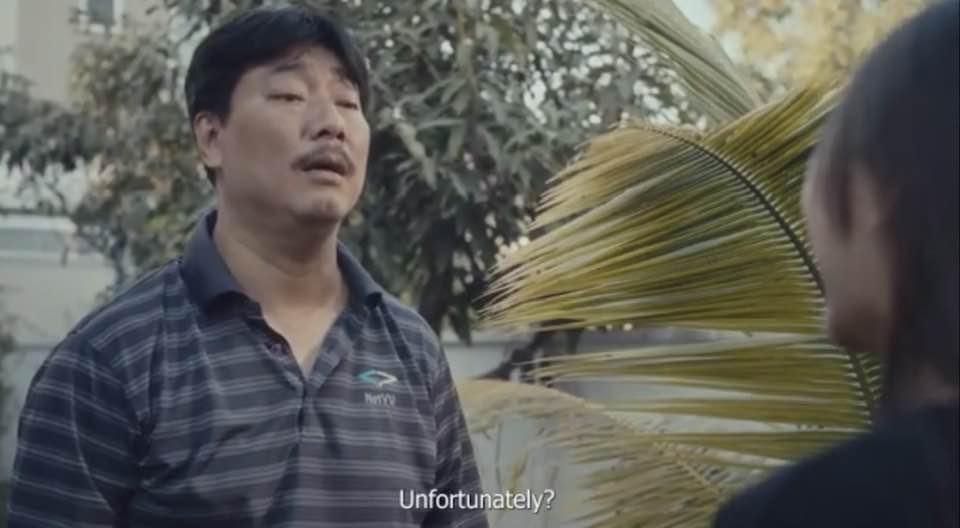
Kawinnate Konklong’s Unfortunately (แค่วันที่โชคร้าย) dramatises the ideological gap between generations, as a royalist father files a lèse-majesté charge against his daughter’s girlfriend, Bam, after she attends a protest calling for reform of the monarchy. The man tells his daughter: “I used the law to protect the King from defamation. Unfortunately, the person was Bam.” His dialogue evokes a comment from former prime minister Abhisit Vejjajiva, who dismissed dozens of civilian casualties: “unfortunately, some people died”. The film will be shown on 23rd November, and although its plot is fictional, it echoes journalist Michael Peel’s book The Fabulists. Peel interviewed a man who filed lèse-majesté charges against young activists, and consequently “had fallen out with his son over his alleged disrespect for the monarchy.”

25 October 2023

The Right to Rule:
Thirteen Years, Five Prime Ministers
and the Implosion of the Tories


The Right to Rule

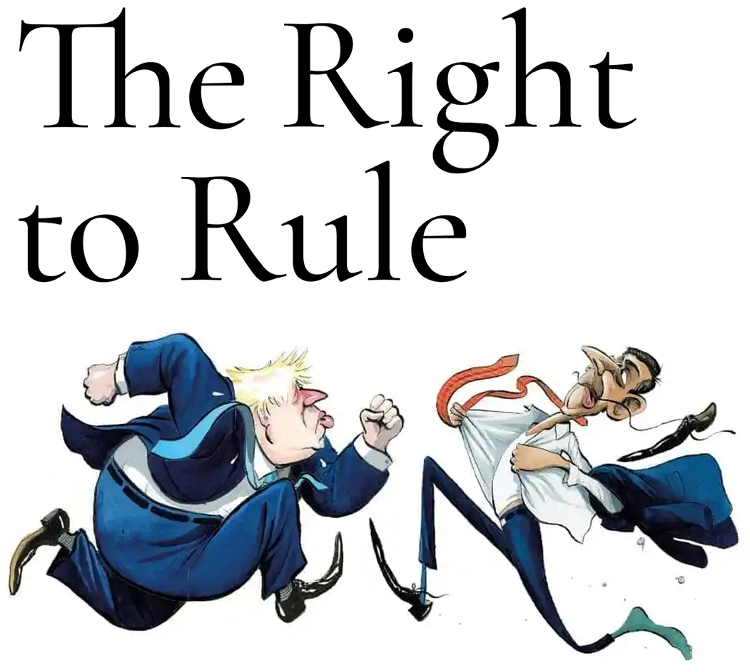
The Right to Rule: Thirteen Years, Five Prime Ministers and the Implosion of the Tories, by Ben Riley-Smith, sets out to explain how the Conservatives have held on to power in the UK since 2010. One reason is simply that the party has an inbuilt sense of entitlement: “The story that emerges is one of a party built to rule. Time and again, the same message was echoed by interviewees: what must be understood is that the Conservatives are not an ‘ideological party’ but a ‘power party’.”

A complete political history of the past thirteen years would be impossible to cover in a single volume, so the book instead focuses on “ten critical moments or parts of the story, the pivotal points that explain the wider whole.” These include David Cameron’s decision to hold the Brexit referendum, Theresa May’s ill-fated 2017 election, Boris Johnson’s resignation (Riley-Smith subscribes to the ‘three Ps’ theory cited in The Fall of Boris Johnson), and the brief Liz Truss premiership.

Riley-Smith interviewed more than 100 sources for the book, including three of the last five prime ministers (Cameron, Johnson, and Truss). He spoke to twenty of Johnson’s cabinet ministers, and obtained the first drafts of Johnson’s resignation speech and Truss’s party conference speech. He also quotes previously unpublished material from his Daily Telegraph interview with Sunak — “people are fed up with politicians talking about things and not actually doing them” — and extracts from a tranche of internal party memos from the 2017 election campaign.

Surprisingly, The Right to Rule has not been widely reviewed, except by the Telegraph, of which Riley-Smith is the political editor. But it deserves wider coverage, particularly for its revealing insights into Conservative party procedures: it explains the process by which letters of no confidence are submitted to the chairman of the 1922 Committee, and it includes the first published photograph of a cabinet reshuffle whiteboard.

รำลึก 19 ปี ตากใบ
(‘remembering 19 years of Tak Bai’)


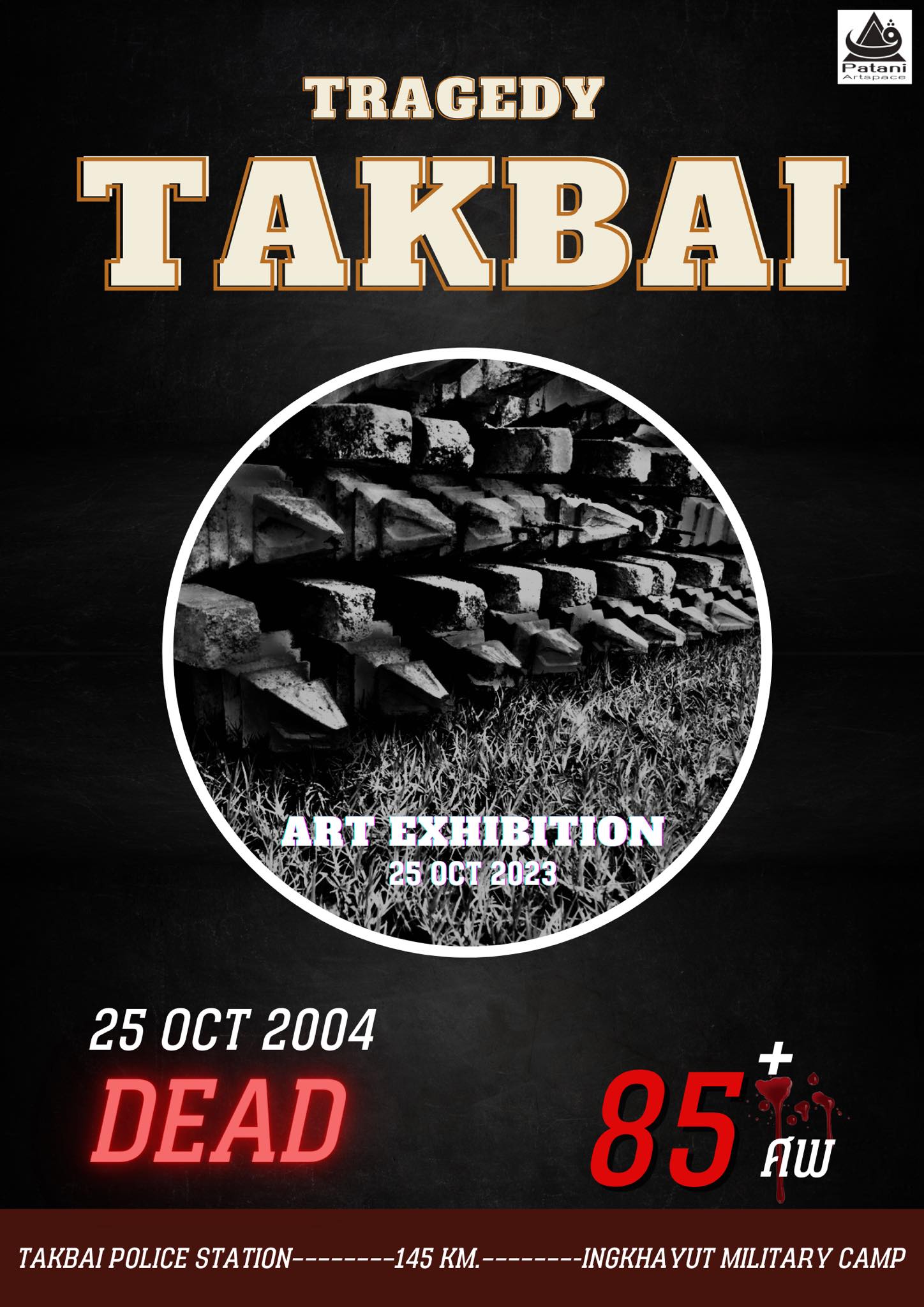
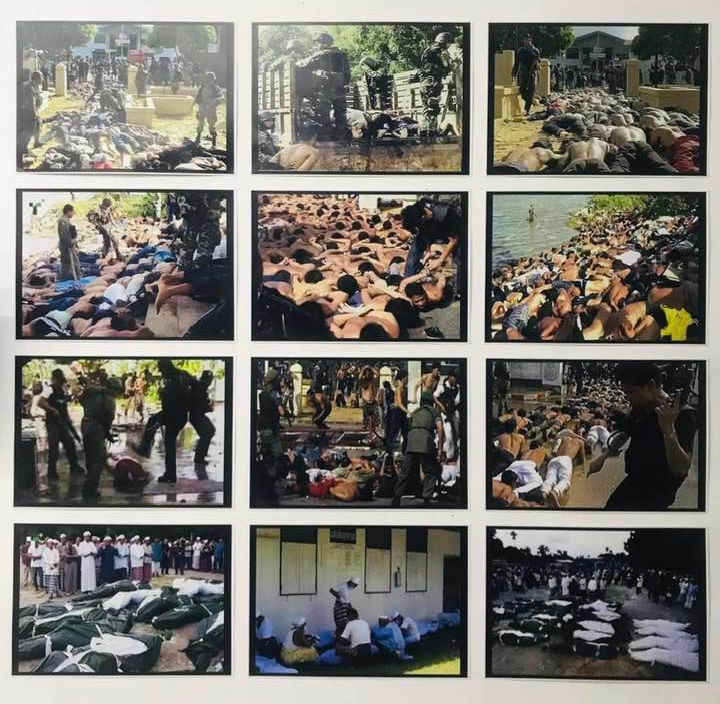
Today marks the nineteenth anniversary of the tragedy that took place at Tak Bai on 25th October 2004. More than 1,000 people protested outside Tak Bai’s Provincial Police Station, and police responded with water cannon, tear gas, and live ammunition, killing seven people. The surviving demonstrators were crammed into trucks and taken to Ingkhayuttha Borihan Fort military camp, though seventy-eight people died of suffocation during the five-hour journey.

The security forces have never been held accountable for the deaths, and the government prohibited the broadcasting of video footage of the incident. In defiance of the ban, Same Sky (ฟ้าเดียวกัน) magazine distributed a Tak Bai VCD — ความจริงที่ตากใบ (‘the truth at Tak Bai’) — with its October–December 2004 issue (vol. 2, no. 4). The footage is also included in Teerawat Rujenatham’s short film Tak Bai, and in two documentaries: Thunska Pansittivorakul’s This Area Is Under Quarantine (บริเวณนี้อยู่ภายใต้การกักกัน) and Prempapat Plittapolkranpim’s 18 Years. (Thai Cinema Uncensored discusses the representation of Tak Bai by Thai filmmakers.)


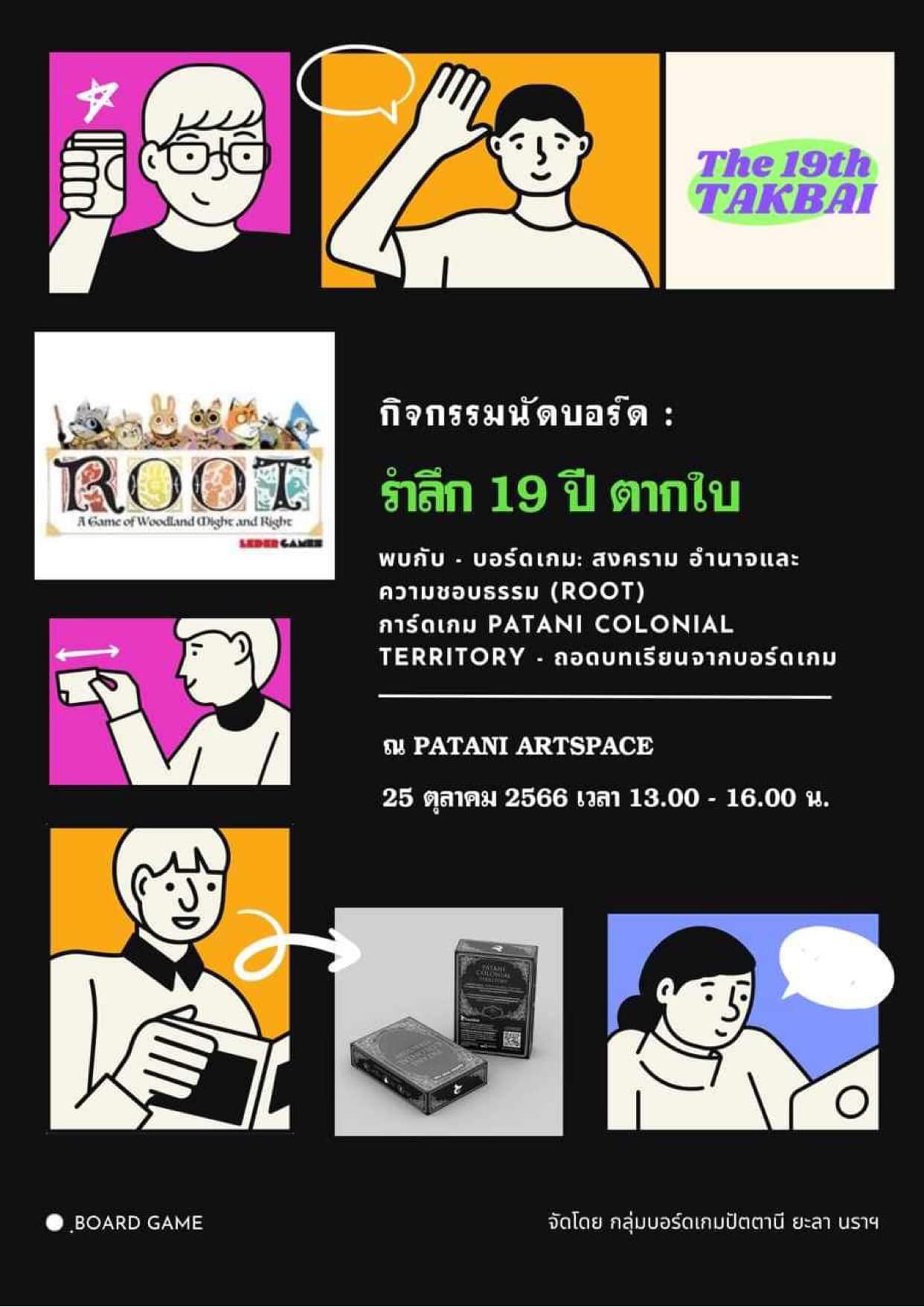
รำลึก 19 ปี ตากใบ (‘remembering 19 years of Tak Bai’), an exhibition at Patani Artspace, opens today to commemorate the anniversary, and closes on 16th December. The Heard the Unheard (สดับเสียงเงียบ) exhibition at Silpakorn and Thammasat universities earlier this year also commemorated the nineteenth anniversary. Tak Bai photographs were shown at the Deep South (ลึกลงไป ใต้ชายแดน) exhibition last year in Bangkok. Apichatpong Weerasethakul’s Photophobia series incorporates press photographs of the incident, as does the interactive installation Black Air by Pimpaka Towira, Akritchalerm Kalayanamitr, Koichi Shimizu, and Jakrawal Nilthamrong.

Jehabdulloh Jehsorhoh’s Violence in Tak Bai (ความรุนแรงที่ตากใบ) features white tombstones marking the graves of each victim, and his book The Patani Art of Struggle (سني ڤتاني چاراو او سها) shows three versions of the installation in situ. It was first installed, just a few days after the massacre, at Prince of Songkla University in Pattani, and the grave markers were accompanied by rifles wrapped in white cloth. In 2017, it was recreated at Patani Artspace and then mounted on a plinth containing Pattani soil at the Patani Semasa (ปาตานี ร่วมสมัย) exhibition.

Two other installations — Jakkhai Siributr’s 78 and Zakariya Amataya’s Report from a Partitioned Village (รายงานจากหมู่บ้านที่ถูกปิดล้อม) — both include lists of the Tak Bai victims’ names. Photophobia, 78, and Violence in Tak Bai were all included in the Patani Semasa exhibition in Chiang Mai. (The exhibition catalogue gives Violence in Tak Bai a milder alternative title, Remember at Tak Bai.)