


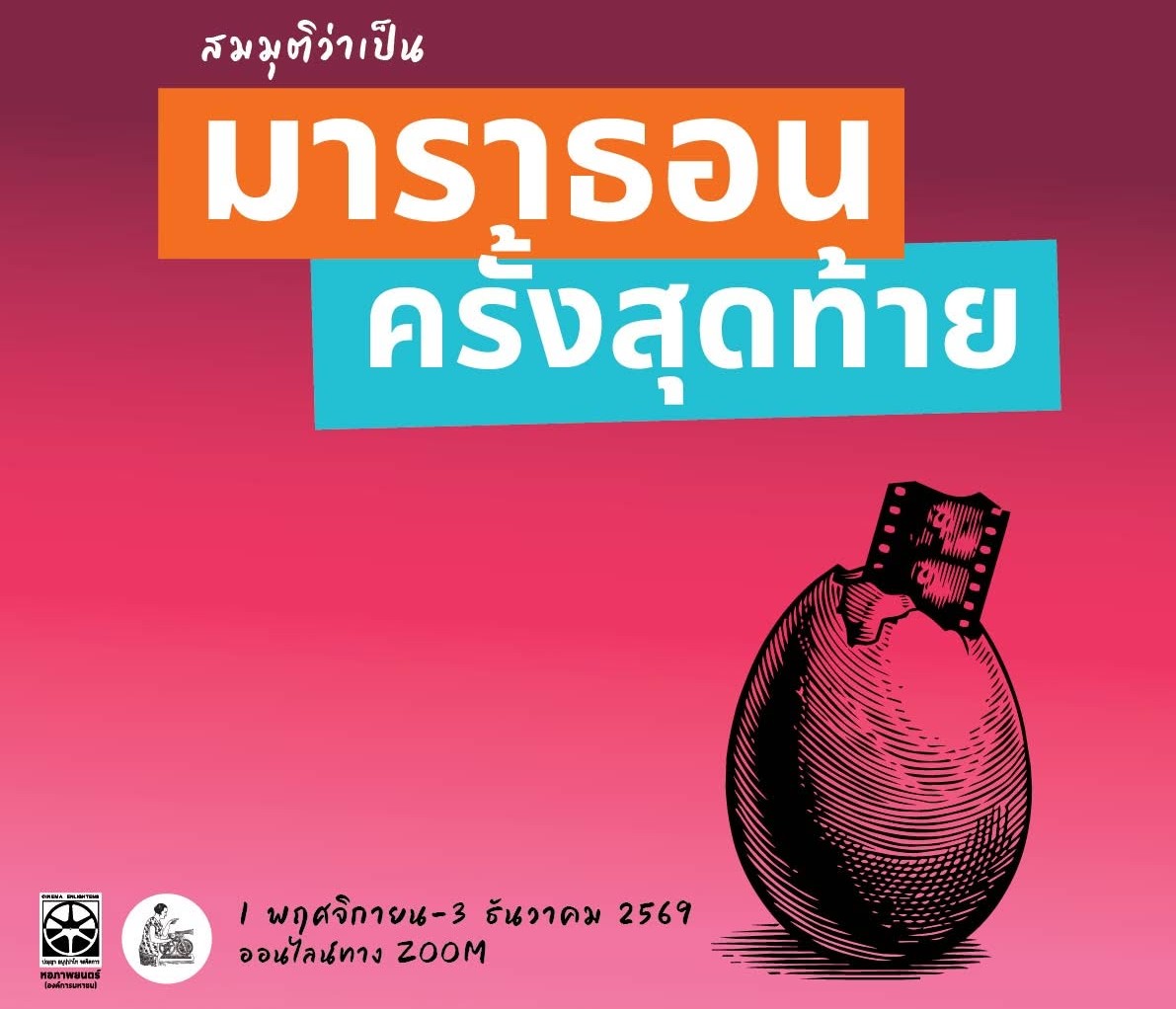
The annual Short Film Marathon (หนังสั้นมาราธอน) begins on 30th October, and almost 600 films will be shown online, in alphabetical order, until 3rd December. The cream of the crop will then be selected for the 30th Thai Short Film and Video Festival (เทศกาลภาพยนตร์สั้น ครั้งที่ 30) at the Thai Film Archive in Salaya.
Last year’s Marathon also received around 600 submissions, as did the 2024 and 2023 events. Around 400 films were submitted in 2022.
Last year’s Marathon also received around 600 submissions, as did the 2024 and 2023 events. Around 400 films were submitted in 2022.

This year’s festival runs from 5th to 27th December. The event was launched in 1997, and Dateline Bangkok began covering it in 2007.
Bundit Thianrat’s Safe Zone will be screened in the Marathon on 14th November. Other highlights this year include three films from the Politix strand at Wildtype 2026: 8 (๘) will be shown on 1st November, Letter from Congo (จดหมายจากคองโก) on 8th November, and A Pigeon’s Journey on the Birth of a Nation (ย้ายรัง) on 28th November.
Bundit Thianrat’s Safe Zone will be screened in the Marathon on 14th November. Other highlights this year include three films from the Politix strand at Wildtype 2026: 8 (๘) will be shown on 1st November, Letter from Congo (จดหมายจากคองโก) on 8th November, and A Pigeon’s Journey on the Birth of a Nation (ย้ายรัง) on 28th November.
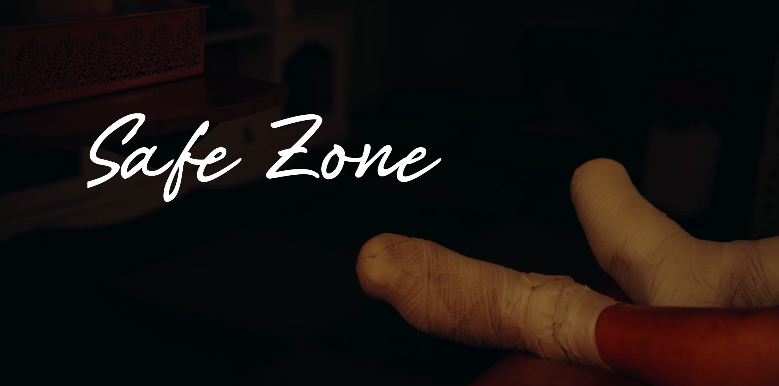
Safe Zone
Safe Zone stars Inthira Charoenpura, best known for her performance as Mae Nak in the classic Nang Nak (นางนาก). More recently, she has become involved in political activism, which is one of the themes of Bundit’s film.
In Safe Zone, Inthira plays Fon, a nurse dressing the wounds of an elderly man. Initially, he seems crotchety, and we naturally assume that Fon — his carer, who is also looking after her cat — will be the more sympathetic character.
It transpires that Fon and her patient both have missing relatives. But whereas the man mourns the loss of his nephew, Fon has practically disowned her niece, who fled the country to avoid arrest after taking part in the 2020 student protests. (The film includes footage of demonstrations at Democracy Monument and Siam Square in Bangkok.) For Fon, ignoring her niece perhaps provides the ‘safe zone’ of the film’s title, a state of blissful ignorance.
Taiki Sakpisit’s The Edge of Daybreak (พญาโศกพิโยคค่ำ) and Jakrawal Nilthamrong’s Anatomy of Time (เวลา) both show liberal nurses tending to nationalist former soldiers. But that trope is reversed in Safe Zone, as the audience is more likely to identify with the man in Bundit’s film.
In reality, both Inthira and Bundit are allies of the student protesters. Inthira provided funding for the protest movement, and the children’s picture book Mom, Where Are You Going? (แม่หมิมไปไหน?) shows her attending the demonstrations. Safe Zone ends with a dedication to “all political refugees.”
8
Pattanapong Khongsak’s film 8 combines historical material with modern technology, using generative AI to visualise the past. This hybrid documentary has no narration, so key events are explained using written captions.
Photos of major political milestones — 6th October 1976, the yellow-shirt and red-shirt protests, the ‘Shutdown Bangkok’ campaign, and the 2006 and 2014 coup announcements — are solarised and rendered as 3D images. Pattanapong also uses bright red and blue tinting, as he did in Bad Taste (โอรส).
The AI manipulation makes the familiar images even more impactful, and dramatic reconstructions help to clarify the details. One sequence strays into deepfake territory: a newsreel-style scene of Democracy Monument engulfed by a tsunami, like a silent disaster movie.
The main focus is on the unexplained death or assassination of Rama VIII, the subsequent smear campaign against Pridi Banomyong, and the wrongful conviction of three men for conspiracy to murder. A caption tells us that the men were executed “8 years, 8 months, 8 days since the King’s death” — hence the 8 in the film’s title. (Its subtitle, The Silence of the Goats, is a pun on The Silence of the Lambs.)
Letter from Congo
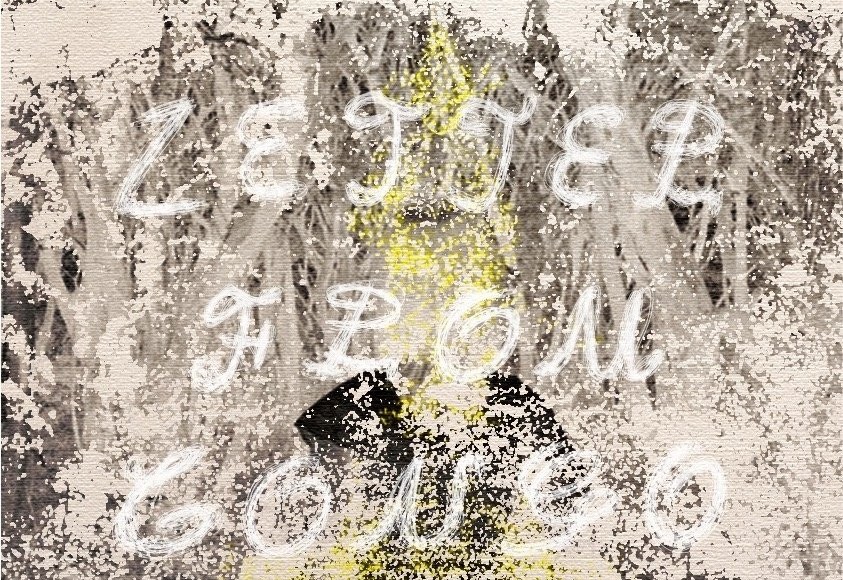
In Buariyate Eamkamol’s Letter from Congo, a narrator reads a letter from a woman in colonial-era Belgium describing a cruel monarch. The film also features solarised footage of red-shirt protesters travelling from Chiang Mai to Bangkok.
The final image is a statue of King Kawila, a former ruler of Chiang Mai, and the effect is similar to the ending of the short film Re-presentation (ผีมะขาม ไพร่ฟ้า ประชาธิปไตย ในคืนที่ลมพัดหวน) by Chai Chaiyachit and Chisanucha Kongwailap.
Letter from Congo was previously shown earlier this year at TCDC Commons in Srinakarin. It also had several screenings as part of the microWAVE FILM FESTival: at Bliss Project in Chanthaburi on 25th and 27th August, at Major Cineplex Chanthaburi on 28th and 29th August, and at Thanya Art Space in Phetchaburi on 17th October. The Phetchaburi screening was part of THE SHORTs WAVE HOPPING (เมื่อมวลคลื่นออกเดินทาง), a programme of highlights from the microWAVE FILM FESTival.
A Pigeon’s Journey on the Birth of a Nation
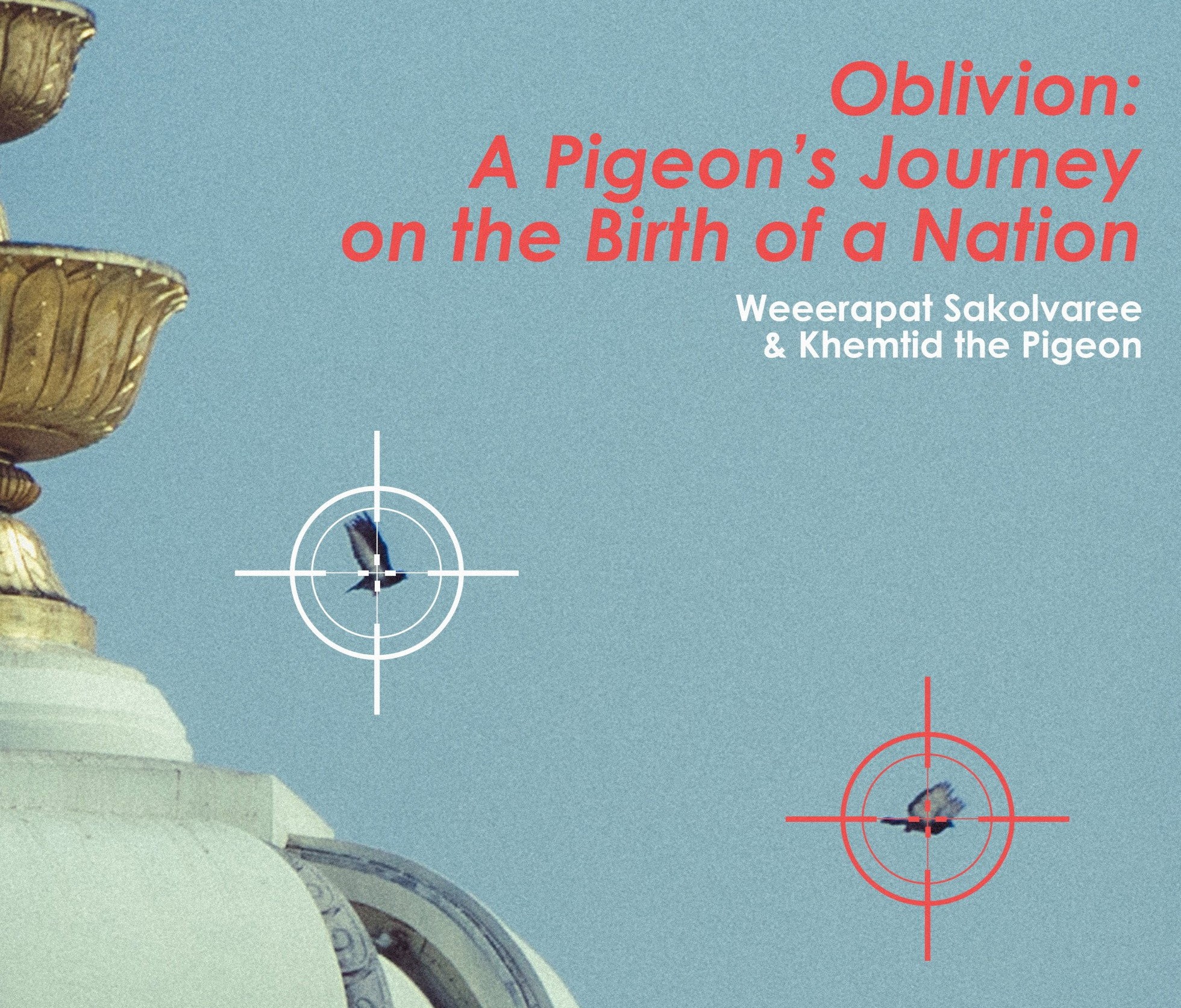
A Pigeon’s Journey on the Birth of a Nation is part of Weerapat Sakolvaree’s Oblivion (เลือน) series, the first of which was The Original Texts (บทประพันธ์ดั้งเดิม). A voiceover narrates the circumstances of three key milestones in Thai political history — the 1932 revolution, 14th October 1973, and 6th October 1976 — though they are told as a fable involving wild animals.
A pigeon flies between various Bangkok buildings, as if witnessing the historic events described in the narration. The effect is similar to Panya Zhu’s short film White Bird (นกตัวนั้นยังสบายดีไหม), in which an origami bird is also seen at historically significant locations around Bangkok.
When the pigeon lands on Democracy Monument, the voiceover describes “one October morning” (14th October 1973) when “Mad Dogs” attacked thousands of student protesters. The pigeon then flies to Thammasat University, where “the Wild Tigers came out to hunt.”
A Pigeon’s Journey on the Birth of a Nation was previously shown at The Wayward Travelers, a Weerapat retrospective. It was also shown at the group exhibition Spacing the Inherent (การเว้นระยะห่างโดยธรรมชาติ) at Art4C in Bangkok.