29 January 2026

Breaking the Cycle


Breaking the Cycle

Thailand will have a general election on 8th February, and a referendum will be held on the same day, asking whether the constitution should be entirely rewritten. Several screenings of Aekaphong Saransate and Thanakrit Duangmaneeporn’s documentary Breaking the Cycle (อำนาจ ศรัทธา อนาคต) have been organised in anticipation of the upcoming votes.

The film will be shown tomorrow at the Loftster gallery and café in Nai Mueang, Korat, at an event called The History on the Rocks. The screening will be followed by a discussion of Thai politics, ประวัติศาสตร์ไทยในแก้วเบียร์ (‘Thai history in a beer glass’).

The History on the Rocks

Breaking the Cycle will also be shown on 1st February, at the House of Commons bookshop and café in Bangkok. After the screening, there will be a discussion with Komtouch Napattaloong, one of the film’s producers, on the history of the progressive ‘orange movement’.

The HOC event is the first in a planned Movie Talk series. Komtouch is also the director of No Exorcism Film, and he curated Infinges, a programme of short films, in 2024.

Movie Talk

There was also another screening scheduled for tomorrow, at Anybodyhome, a new venue in Nong Khai. But that event — Movie Time, organised by Nongkhai Mai Pop — has since been cancelled. There are also plans for a screening of Breaking the Cycle in Phayao in the near future.

Movie Time

Breaking the Cycle is a fly-on-the-wall account of the rise and fall of the Future Forward party, which was dissolved by the Constitutional Court in 2020. (Future Forward was founded as a progressive alternative to military dictatorship. The party came third in the 2019 election, after a wave of support for its charismatic leader, Thanathorn Juangroongruangkit, though he was disqualified as an MP by the Constitutional Court.)

The film begins in 2014 with Thanathorn’s determination to end the vicious cycle of military coups that has characterised Thailand’s modern political history. This mission gives the film its title, and Future Forward co-founder Piyabutr Saengkanokkul asks: “Why is Thailand stuck in this cycle of coups?” The documentary benefits from its extensive access to every senior figure within Future Forward. The directors were even able to film Thanathorn as he reacted to the guilty verdicts being delivered by the Constitutional Court.

The documentary ends with the caption “THE CYCLE CONTINUES”, which is sadly accurate: Future Forward’s successor, Move Forward, was dissolved by the Constitutional Court in 2025 despite winning the 2023 election. But in the film, Thanathorn half-jokingly predicts: “In three elections we’ll be the government”, and the movement’s third incarnation, the People’s Party, is currently leading the opinion polls in the run-up to next month’s election.

Breaking the Cycle went on general release in 2024. It was later shown at the Thai Film Archive, as part of the Lost and Longing (แด่วันคืนที่สูญหาย) season. It was also screened at A.E.Y. Space in Songkla, and at the Bangsaen Film Festival (เทศกาลภาพยนตร์บางแสน) at Burapha University. It was part of the Hits Me Movies... One More Time programme at House Samyan in Bangkok, and last year it was screened at Thammasat University and Chulalongkorn University. Its most recent screenings were in Bangkok and Chiang Rai.

28 January 2026

Uncle Boonmee
Who Can Recall His Past Lives


Uncle Boonmee Who Can Recall His Past Lives

Apichatpong Weerasethakul’s Uncle Boonmee Who Can Recall His Past Lives (ลุงบุญมีระลึกชาติ) will be shown at the Thai Film Archive on 7th February, as part of a two-day event, พินิจ 80 ปีหลังสงคราม ผ่านภาพยนตร์ญี่ปุ่น ไทย และไต้หวัน (‘reflecting on 80 years after the war through Japanese, Thai, and Taiwanese films’). (The first day of the programme will be on 5th February.)

The film’s central character, Boonmee, is dying of kidney failure (which Apichatpong’s father also suffered from). Boonmee is cared for by his sister Jen and his young cousin Tong, though one evening the ghost of his dead wife materialises at the dining table. A few minutes later, Boonmee’s long-lost son returns in the form of a monkey spirit with glowing red eyes.


Boonmee reflects on his life as a former soldier who killed communist rebels in the 1970s, and we are shown some of his previous incarnations: a buffalo that escapes from its owner, and a princess who seduces one of her servants and makes love with a talking catfish. Each of the film’s six reels was filmed in a different cinematic style, as a tribute to the films that captivated the the director when he was growing up.

After Boonmee’s funeral, Tong becomes a monk, though he leaves the temple as he misses the comforts of home. Finally, Tong and Jen visit a karaoke restaurant, either as an out-of-body experience or perhaps in a parallel universe.

Uncle Boonmee Who Can Recall His Past Lives

Uncle Boonmee Who Can Recall His Past Lives is one of Thailand’s greatest films. The shot of Boonmee’s son as a monkey spirit emerging from the jungle (photographed by Nontawat Numbenchapol) has become one of world cinema’s most iconic images. (It appears, courtesy of Apichatpong, on the cover of Thai Cinema Uncensored.)

As in Tropical Malady (สัตว์ประหลาด), the forest is a dwelling for animal spirits, though in Uncle Boonmee the supernatural elements are more explicit and tangible. Also, the central theme of Uncle Boonmee is predicted in Tropical Malady, when one character says: “Remember my uncle who can recall his past lives?”

Dianarama:
The Betrayal of Princess Diana


Dianarama

Former Panorama reporter Martin Bashir’s extraordinary TV interview with Princess Diana was broadcast on BBC1 on 20th November 1995. Diana’s criticism of Camilla Parker-Bowles provided the key soundbite — “there were three of us in this marriage, so it was a bit crowded” — though her comments about Prince Charles’s accession were even more remarkable. Asked whether their eldest son William should succeed the Queen instead of Charles, she replied: “My wish is that my husband finds peace of mind. And from that follows other things, yes.”

In Dianarama: The Betrayal of Princess Diana, Andy Webb calls the Panorama interview “the most momentous footage the BBC has ever recorded, or will ever record”, and he’s probably right. As we now know, Bashir obtained the interview by deception: he commissioned graphic designer Matt Wiessler to create fake bank statements, and presented them to Diana’s brother Charles Spencer, who then put him in touch with Diana herself.

The forged bank statements added credence to a series of false conspiracy theories that Bashir told to Spencer and Diana. In the weeks leading up to the interview, he was essentially gaslighting Diana — Webb describes his “wicked intent” — exploiting her paranoia after ‘Dianagate’ and other scandals.

Dianarama is the first book on the Diana interview. It’s a comprehensive account of the background, the interview session itself, and the consequences for Diana, Bashir, and the BBC. Webb has spoken to most of the key players — except Bashir, of course, whose only public comment on Diana came in a brief Sunday Times interview on 23rd May 2021.

The book pieces together a detailed account of Bashir’s contacts with Spencer and Diana prior to the interview. Webb also reveals the extent of the BBC’s efforts to cover up Bashir’s serious breaches of journalistic ethics. (The corporation carried out a cursory internal investigation in 1996, though no disciplinary action was taken. BBC News executive Anne Sloman wrote a sinister and prophetic memo at the time: “The Diana story is probably now dead, unless Spencer talks.”)

In 2020, the BBC finally commissioned an independent inquiry into the Diana interview, led by John Dyson. Webb analyses Dyson’s findings, and the witness testimonies from Bashir and others, concluding that Dyson’s “whole assessment of the scandal must be called into question.”

Webb claims a pivotal role in exposing the facts about the interview: “it was only when I was able to get hold of a formerly secret document from the BBC, after a thirteen-year struggle, that the scandal burst into the open and Bashir’s duplicity was revealed for the first time.” He also writes: “I can say without being too swell-headed that something I did... finally brought it to light.”

He began his research into the story in 2007, when he submitted a Freedom of Information request to the BBC, but the corporation denied the request, and Webb moved on to other projects. He didn’t renew his investigation until 2020, when he sent another — much more fruitful — FoI request. He made a Channel 4 documentary about the case later that year, and directed a follow-up in 2021.

Much of the credit for exposing the story belongs to the Mail newspapers. On 7th April 1996, less than six months after the Panorama broadcast, The Mail on Sunday first reported that Bashir had commissioned Wiessler to create the fake bank statements. Spencer gave a series of interviews to the Daily Mail — published on 3rd, 4th, and 7th November 2020 — and it was his allegations that led the BBC to launch the Dyson inquiry. Webb was indirectly responsible for this, as he sent Spencer the replies to his 2020 FoI request, which prompted Spencer to talk to the Daily Mail.

Mapor 5 Film Festival
Ray of Northern Light


Mapor 5 Film Festival

The Mapor 5 Film Festival (เทศกาลหนังมาผ่อ 5) will be held on 14th and 15th February, with screenings of short films at Rong Sa Dang in Chiang Mai. The festival’s theme is Ray of Northern Light (แสงเหนือ), and the highlights include Jarut Wisawong’s Twas Partly Love, and Partly Fear and Patipat Oakkharhaphunrat’s Black Hole.

Twas Partly Love, and Partly Fear

Twas Partly Love, and Partly Fear


Twas Partly Love, and Partly Fear is a drama about the family of a Thai lawyer who was forcibly disappeared, and it opens with a solarised clip of Bangkok riot police firing water cannon at student protesters in Siam Square on 16th October 2020. It was first shown at Wildtype 2024, and was also screened in the 2024 Short Film Marathon (หนังสั้นมาราธอน) and at The 28th Thai Short Film and Video Festival (เทศกาลภาพยนตร์สั้น ครั้งที่ 28).

Black Hole

Black Hole


Black Hole is a surreal black-and-white film in which a young son discovers that his father, a corrupt military officer, has sold citizens’ digital data for personal gain. The drama links this family conflict with anti-military demonstrations in modern Thai history, with footage from 14th October 1973, 6th October 1976, and the student protests that began in 2020.

The film was shown at the 27th Thai Short Film and Video Festival (เทศกาลภาพยนตร์สั้น ครั้งที่ 27) in 2023, and as part of the Short Film Marathon in 2024. It was also screened at the fourth Amazing Stoner Movie Fest (มหัศจรรย์หนังผี ครั้งที่ 4), at the Chiang Mai Film Festival 2025 (เทศกาลหนังแห่งเมืองเชียงใหม่ 2568), and in the Open Screen programme.

24 January 2026

Isan Odyssey


Isan Odyssey

Thunska Pansittivorakul’s documentary Isan Odyssey (อีสานอำพราง) will be shown in an outdoor screening today at Samakichumnum in Nakhon Phanom. The event is organised by Documentary Club.

Phassarawin Kulsomboon, Isan Odyssey’s cinematographer, previously directed Khon Boys (เด็กโขน), a documentary about a troupe of young khon dancers, and Isan Odyssey begins in a similar vein, following a troupe of young mor lam performers. Just as Khon Boys covers the historical restrictions imposed on khon performances, Isan Odyssey links the past suppression of mor lam to the political history of Thailand.

Isan Odyssey highlights the origins of mor lam as a form of political expression in the Isan region. Modern mor lam, in contrast, is primarily a commercial entertainment: “Gone are the days of ideology and fighting against state injustice.”

Isan Odyssey

The veteran leader of the mor lam troupe recalls his youth in the 1960s, when he heard shots fired from helicopters, the sound of “Thai soldiers shooting communists”. This provides a segue to the film’s central theme: the state’s anti-communist campaign in various Isan provinces during the Cold War.

A voiceover describes how suspected communists were “brutally murdered” during Sarit Thanarat’s regime, and how this “ruthless suppression” continued during the Thanom Kittikachorn era. An elderly resident of the village of Nabua describes the situation at that time as “suffocatingly brutal.”

Similarly, Apichatpong Weerasethakul has made several films in and around Nabua, whose inhabitants were among the first victims of the anti-communist purge. In Apichatpong’s short film A Letter to Uncle Boonmee (จดหมายถงลงบญม), a narrator recalls the area’s past: “Soldiers once occupied this place. They killed and tortured the villagers and forced them to flee to the jungle.”

Isan Odyssey

Isan Odyssey touches on three specific historical incidents, though only briefly. It includes 16mm newsreel footage from 14th October 1973, and a few photographs from 6th October 1976. A young photographer describes the military crackdown in May 2010, and a caption informs us that this resulted in 108 casualties. This grim statistic was a bone of contention in Nontawat Numbenchapol’s documentary Boundary (ฟ้าต่ำแผ่นดินสูง), which was briefly banned in part because it claimed that around 100 people had died.

One of Thunska’s films, This Area Is Under Quarantine (บริเวณนี้อยู่ภายใต้การกักกัน), was also banned. As a result, he told me in an interview for Thai Cinema Uncensored: “I decided not to show any of my films in Thailand.” Working with German producer Jürgen Brüning, he made nine films — The Terrorists (ผู้ก่อการร้าย), Supernatural (เหนือธรรมชาติ), sPACEtIME (กาล-อวกาศ), Reincarnate (จุติ), Homogeneous, Empty Time (สุญกาล), Santikhiri Sonata (สันติคีรี โซนาตา), Avalon (แดนศักดิ์สิทธิ์), Danse Macabre (มรณสติ), and Damnatio Memoriae (ไม่พึงปรารถนา) — all of which featured sexually explicit and politically sensitive content, and none of which had theatrical releases in Thailand.

Isan Odyssey is an exception: it was produced by Documentary Club in Thailand, rather than by Brüning in Germany, and it was the opening film of the What the Doc! (เทศกาลภาพยนตร์ สารคดีนานาชาติ แห่งประเทศไทย) film festival. As in Thunska’s other work, Isan Odyssey directly criticises the Thai state, though it avoids the graphic imagery of his earlier films, hence its ‘15’ rating from the Thai film censorship board. The film’s most recent screening was in Kanchanaburi last month.

20 January 2026

Thai Political Milestones, no. 6:
‘Shutdown Bangkok’


Blue Sky

Thailand’s politics had been polarised for almost a decade by 2013, between the yellow-shirt and red-shirt movements. Yingluck Shinawatra managed the impossible, by bringing both sides together in a common cause — though they were united against one of her Pheu Thai government’s key policies, a blanket amnesty for those accused of political crimes. The proposed amnesty would have given immunity to Abhisit Vejjajiva over his role in the deadly crackdown on red-shirt protesters in 2010, though the bill was widely perceived as a cover to exonerate Yingluck’s brother Thaksin of his corruption charges.

The amnesty bill was approved by parliament on 1st November 2013, thanks to Pheu Thai’s majority in the House of Representatives, though the vote was held at 4am, in a misguided attempt to pass it without drawing attention to the legislation. Protests against the amnesty took place in Bangkok, and the bill was unanimously rejected by the Senate, on 11th November 2013.

Whistle Rebellion

At the same time, on 20th November 2013, the Constitutional Court rejected an attempt by Pheu Thai to amend the constitution and return to an entirely elected Senate. (Under the previous 1997 constitution, the Senate had become fully democratic for the first time, though the subsequent constitution drafted after the 2006 coup created a half-elected and half-appointed Senate.)

In a highly unusual and provocative step, Pheu Thai publicly rejected the court’s verdict, and even called for the impeachment of the five judges who voted against the government. Yingluck ultimately withdrew the proposed amendment, and dropped all plans for an amnesty, though these concessions emboldened the anti-government protesters to increase their campaign, calling for the eradication of what they called the Thaksin regime.

Matichon Weekly

People’s Democratic Reform Committee


Mass demonstrations began on the weekend of 23rd and 24th November 2013, when around 100,000 protesters gathered at Democracy Monument. Suthep Thaugsuban, a senior figure in the opposition Democrat Party, resigned as an MP to lead a new protest group, the People’s Democratic Reform Committee. The PDRC briefly occupied the offices of several government ministries on 25th November 2013.

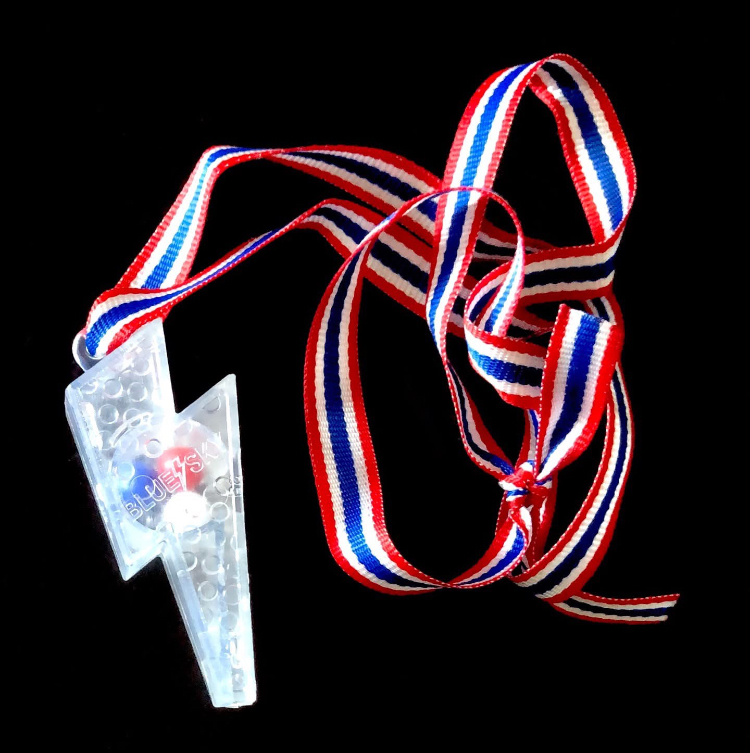
PDRC protesters carried whistles instead of the hand-clappers used in previous demonstrations, though in other respects they followed the yellow-shirt playbook. Their street protests caused maximum disruption in Bangkok, provoking a political crisis, and creating the conditions for a military coup.

In 2010, when Suthep was in government and the red-shirt rallies were at their height, Suthep said: “if they violate the laws, such as blocking roads and intruding into government offices, we will have to disperse the protesters.” But, three years later, he was using precisely the tactics that he had previously condemned.

Matichon Weekly Lips

On 9th December 2013, all Democrat Party MPs resigned from parliament and the PDRC led around 160,000 people in a march to Government House. Yingluck dissolved parliament and called a general election for 2nd February 2014, though the Democrats announced that they would boycott the vote.

Registration for the election took place at the Bangkok Youth Centre stadium, and the PDRC began one of its biggest rallies there on 22nd December 2013. After four days, on Boxing Day, the police used tear gas and rubber bullets to disperse the protesters, and a police officer was killed.

Suthep escalated his protests, announcing a ‘Shutdown Bangkok’ campaign that began on 13th January 2014, designed to cause gridlock in the capital city and sabotage the election. Yingluck declared a state of emergency on 22nd January 2014, and four days later the PDRC blocked access to polling stations to prevent early voting in the election.


On election day, 11% of polling stations were closed due to PDRC protests, and voting was cancelled in nine provinces. On the eve of the election, a lone gunman shot four pro-democracy demonstrators at Lak Si in Bangkok. (His M16 rifle was concealed in a Kolk popcorn bag, which became a tasteless fashion accessory among some PDRC members.)

After months of disruption, riot police began attempting to reclaim some of the blockaded buildings and roads in Bangkok. On 18th February 2014, four protesters and a police officer were killed at Phan Fah when protesters attacked the police with grenades and gunfire, and the police responded with live ammunition. Suthep finally ended his shutdown on 3rd March 2014.


The 2014 Coup


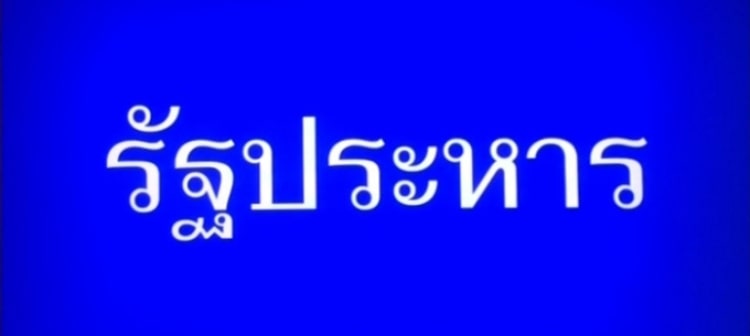
On 20th March 2014, army chief Prayut Chan-o-cha announced that the military had taken over control of national security. In a televised broadcast, he sought to reassure the public: “We urge people not to panic. Please carry on your daily activities as usual. The invocation of martial law is not a coup d’etat

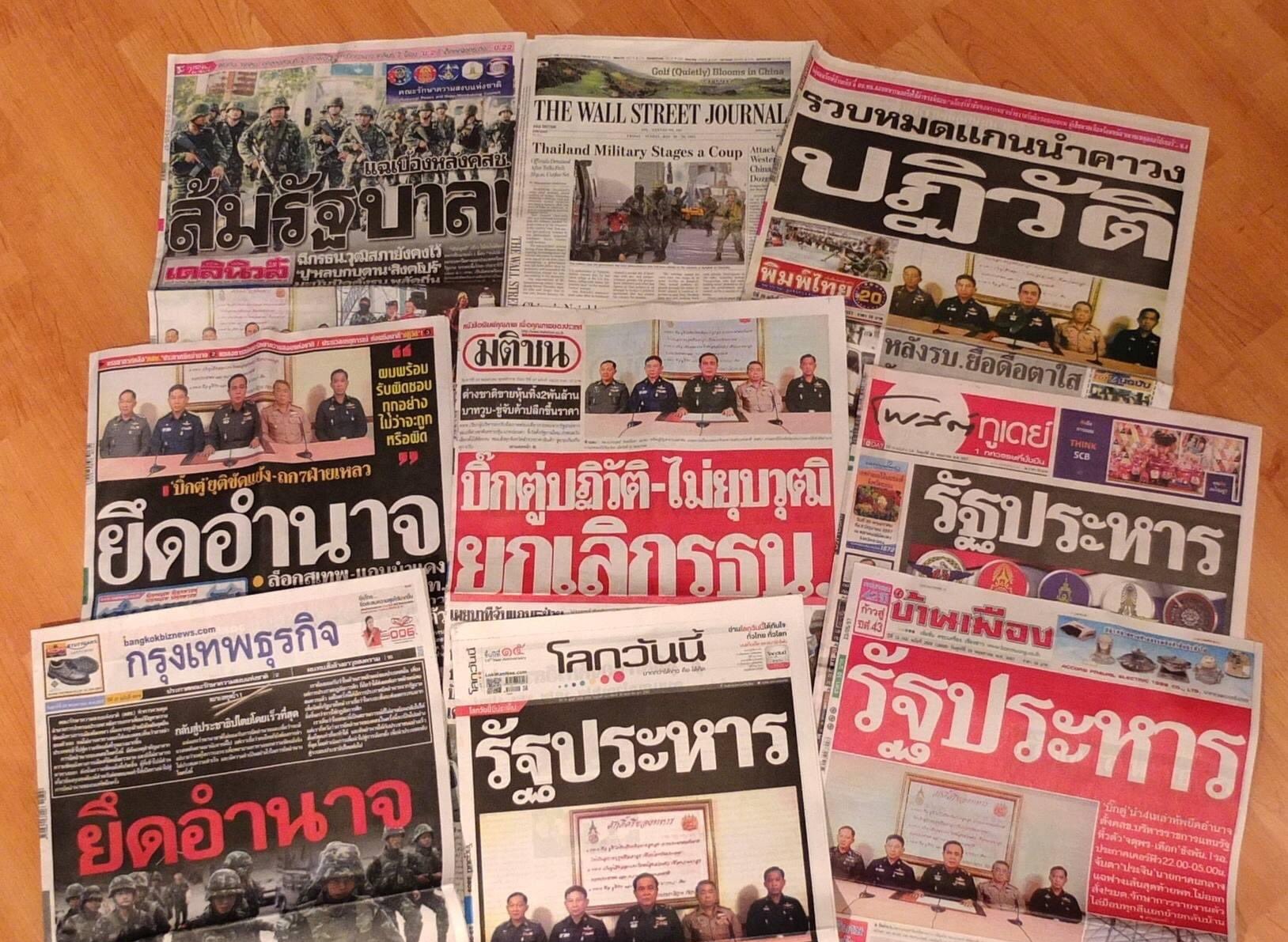
Two days later, Prayut led the National Council for Peace and Order in a military coup against the Pheu Thai government. He was appointed prime minister on 21st August 2014, a role he held for nine years.

Yingluck had been removed as PM by the Constitutional Court on 7th May 2014, after an investigation into nepotism charges. She was subsequently fined, impeached, and convicted of dereliction of dutyin absentia — in relation to her government’s rice subsidy scheme.

Thai Political Milestones:

08 January 2026

La bambola
(‘the doll’)


La bambola

Madonna has released a cover version of La bambola (‘the doll’), which was originally a hit for the Italian singer Patty Pravo. The digital single — Madonna’s first new solo track since 2019 — is part of a promotional campaign for a Dolce and Gabbana perfume.

This is the first time Madonna has recorded a song in Italian, though she has occasionally performed in other languages. She sang a cover version of the French classic La vie en rose (‘life in pink’) on her Rebel Heart Tour, and she ended her MDNA à l’Olympia (‘MDNA at the Olympia’) show with a cover version of Je t’aime... moi non plus (‘I love you... me neither’). She has recorded Spanish versions of two of her singles: Verás (You’ll See) and Lo Que Sienta la Mujer (What It Feels Like for a Girl). She has also released two Sanskrit-language songs: Shanti/Ashtangi and Cyber-Raga.

04 January 2026

History Bureau Agent


History Bureau Agent

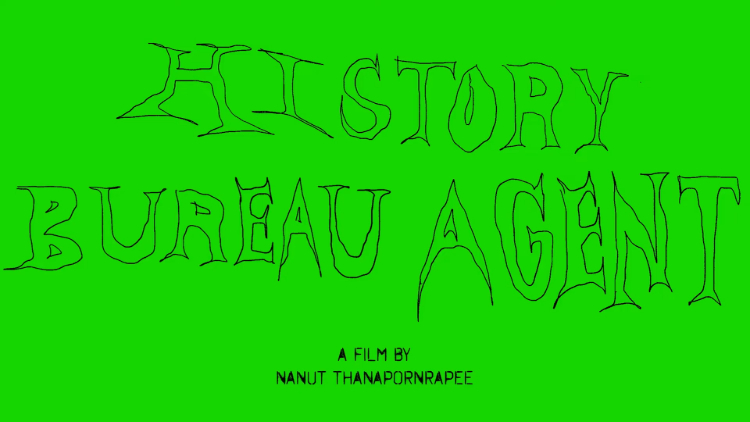
Nanut Thanapornrapee’s short video History Bureau Agent is on show at Bangkok Art and Culture Centre, as part of the Layer by Layer exhibition. Layer by Layer opened on 2nd December last year, and closes today.

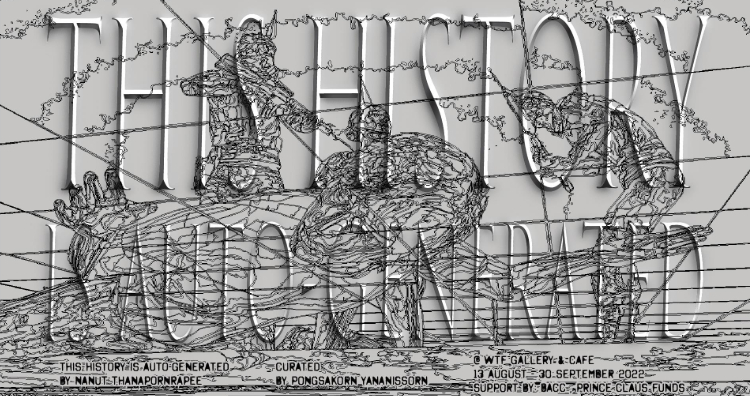
History Bureau Agent was first shown as part of Nanut’s This History Is Auto-Generated exhibition at WTF Gallery, from 13th August to 30th September 2022. It’s one of more than seventy films and videos that refer to the events at Thammasat University in 1976.

Layer by Layer
This History Is Auto-Generated

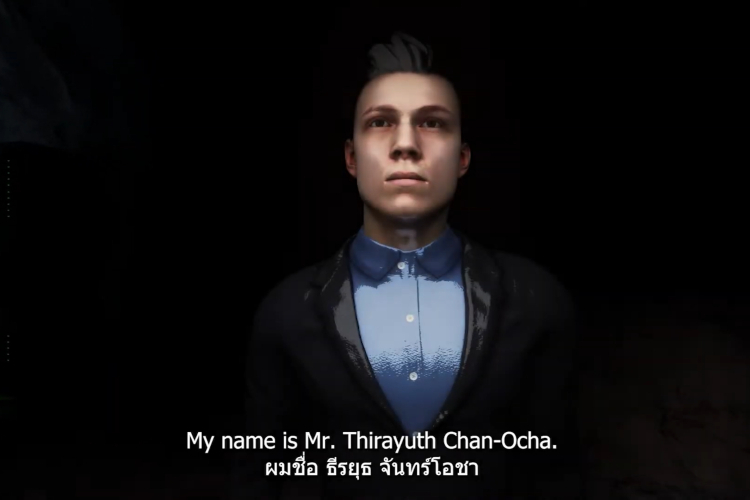
Nanut used ChatGPT to create an animated film narrating an alternative political history of Thailand. The generative AI software produced a satirical storyline featuring a secret military base run by “Thirayuth Chan-Ocha” (clearly a pun on coup leader Prayut Chan-o-cha). The film also features photographs from 14th October 1973, 6th October 1976, and 18th May 1992, and video from 19th May 2010.

29 December 2025

Bob Vylan


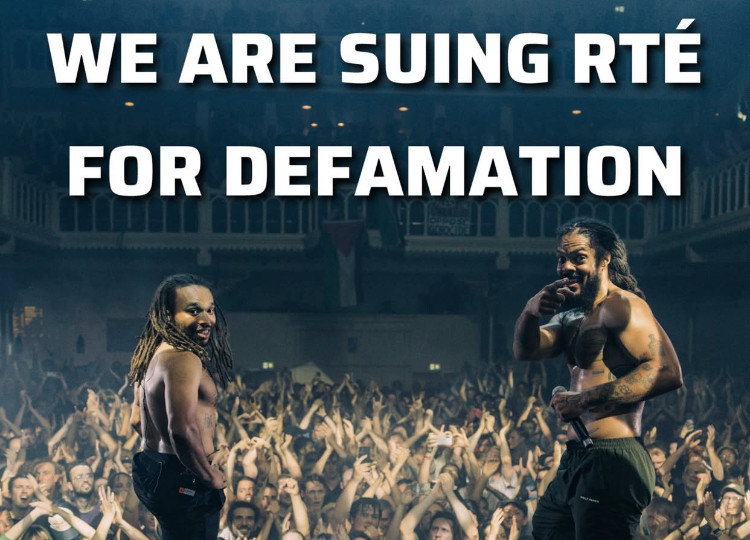
The punk duo Bob Vylan are suing RTÉ for defamation, after the broadcaster described their Glastonbury Festival performance as antisemitic. Bob Vylan appeared at Glastonbury on 28th June alongside Irish band Kneecap, and both groups were under criminal investigation for their performances.

Bobby Vylan led the Glastonbury crowd in a chant of “death, death to the IDF”, a reference to the Israel Defense Forces. On the same day, Kneecap member Móglaí Bap urged the crowd to “start a riot”, though he retracted the comment a few minutes later.


On 30th June, RTÉ News reported: “The lead singer of British band Bob Vylan led antisemitic chants from the stage.” The band sued RTÉ for libel on 9th December, and announced the lawsuit in an Instagram post on 11th December: “We have decided to take legal action against RTÉ after they recklessly labelled us and our actions at Glastonbury antisemitic.”

The police investigation into Kneecap’s performance was dropped on 18th July, after less than a month. On 23rd December, Avon and Somerset Police announced that no charges would be brought against Bob Vylan, “on the basis there is insufficient evidence for there to be a realistic prospect of conviction.”

28 December 2025

Your Ash and My Bone


Your Ash and My Bone

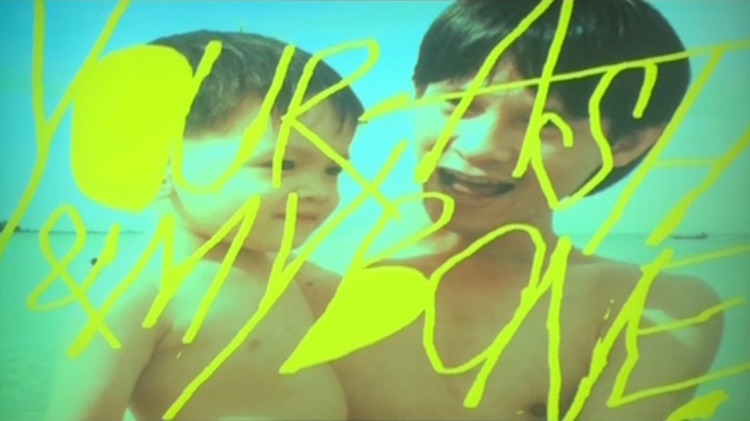
Sina Wittayawiroj’s Your Ash and My Bone (ธุลีดาว) is a documentary collage film in which the artist narrates his life story from birth to the present. He describes his family, his childhood, and his career, and the film is part of his exhibition Can’t We Recant? (เราจะถอนคำพูดไม่ได้เลยหรือ?) at Kinjai Contemporary in Bangkok.

The autobiographical narration is juxtaposed with an account of Thailand’s political turmoil over the same period. There is archive footage of Black May, the 2006 coup (which Sina describes as “this poisonous tree attempting to root itself deepest into society”), the 2010 red-shirt crackdown, the whistle-blower protests, the 2014 coup, and the student protest movement of 2020–2021.

Your Ash and My Bone

Coloured filters are used to add political commentary to some of the events: blue for 2006, red for 2010, and yellow for 2014. Music is also a key element: a montage of scenes showing the arrest of Arnon Nampa and water cannon being used in Siam Square is accompanied by Caravan’s song Jit Phumisak (จิตร ภูมิศักดิ์), linking today’s student protesters to the revolutionary young writer who was killed in 1966.


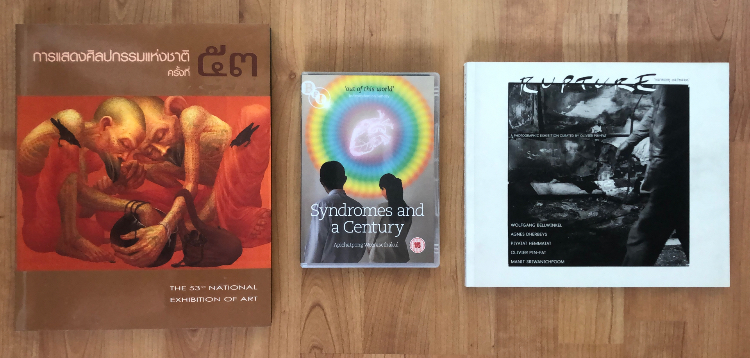
Your Ash and My Bone also highlights some of Thailand’s artistic controversies over the past two decades: the banning of Apichatpong Weerasethakul’s Syndromes and a Century (แสงศตวรรษ), protests against Anupong Chantorn’s painting Perceptless (ภิกษุสันดานกา), and the censorship of the Rupture (หมายเหตุ ๕/๒๕๕๓) exhibition. The film shows how political repression and artistic censorship are equally corrosive.

Your Ash and My Bone

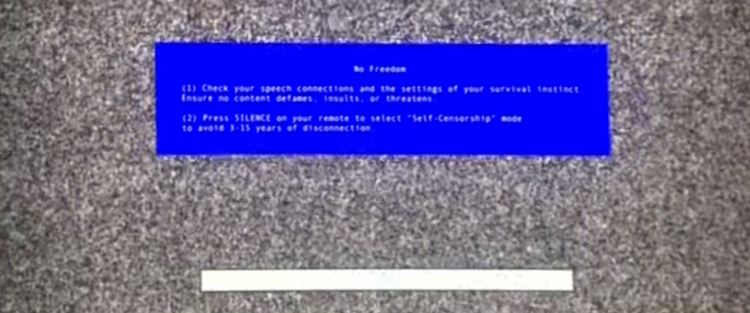
Some self-censorship was necessary, and Sina draws attention to this by periodically displaying a spoof computer error screen (“No Freedom”) and obscuring certain words in the English subtitles. Abhichon Rattanabhayon used a similar tactic in his short film The Six Principles (สัญญาของผู้มาก่อนกาล), as did Pen-ek Ratanaruang in Paradoxocracy (ประชาธิป'ไทย).