




Army commander Suchinda Kraprayoon led a coup in 1991, and his junta installed Anand Panyarachun as a civilian prime minister. But after an election in 1992, Suchinda replaced Anand as PM, leading to anti-military demonstrations in Bangkok.
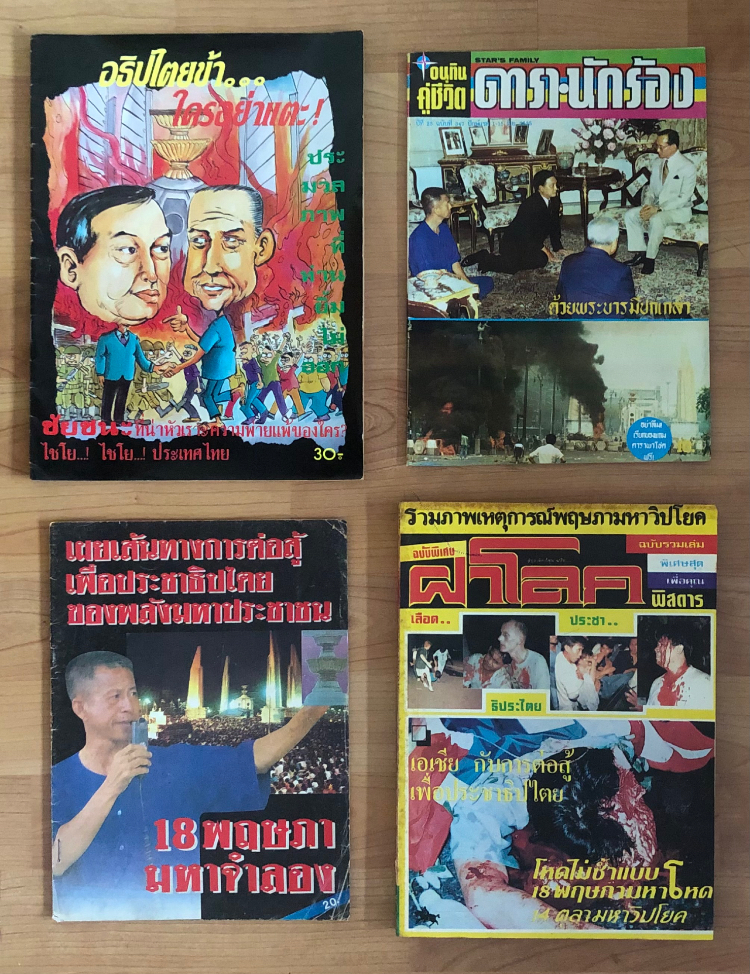
The first protest took place on 20th April 1992, when 50,000 people assembled at the Royal Plaza. There were further demonstrations there between 4th and 7th May 1992, attended by up to 100,000 protesters. (The demonstrators were characterised as a ‘mobile phone mob’, as they were primarily middle-class Bangkokians with cellphones.)
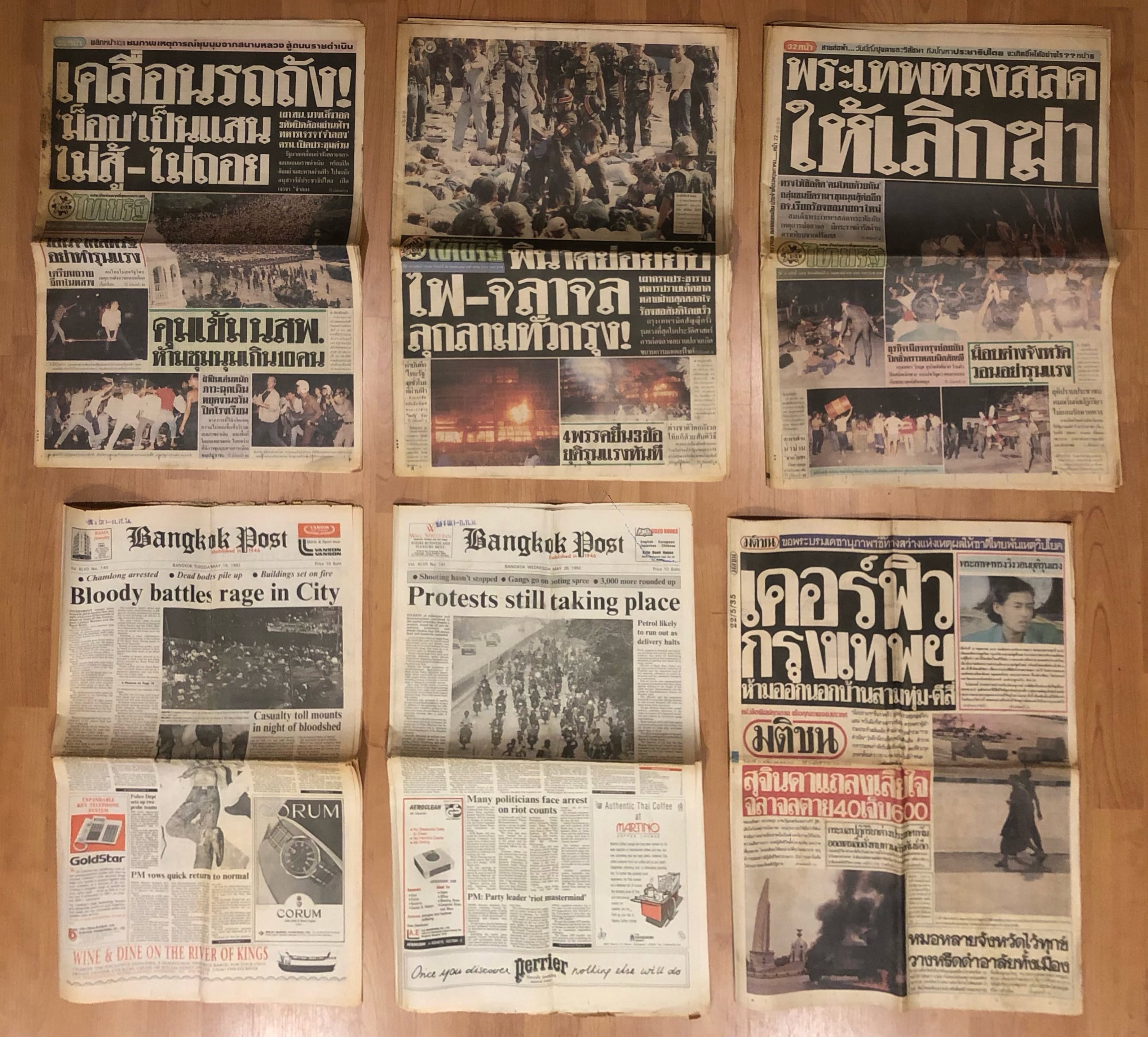
Chamlong Srimuang led a crowd of more than 200,000 protesters at Sanam Luang on 17th May 1992. The following morning, the army fired live rounds into the crowd, and Chamlong was arrested. The protest spread to Democracy Monument on Ratchadamnoen Avenue, and the nearby Royal Hotel became a field hospital for the injured.
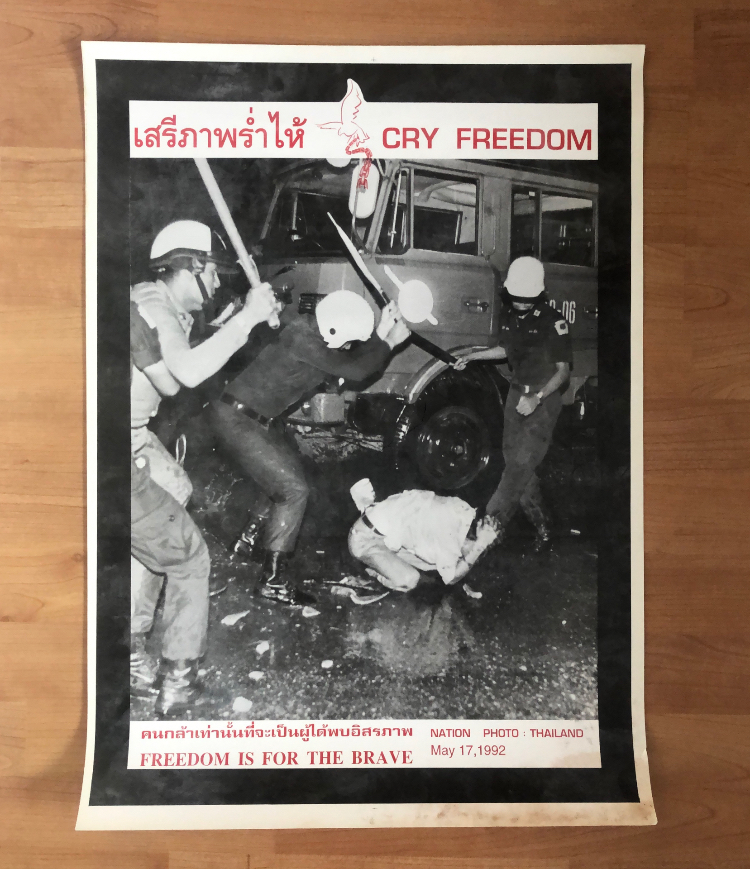
After two more days of clashes — and fifty-two deaths — King Rama IX held a televised meeting with Chamlong and Suchinda. Soon afterwards, Suchinda resigned as prime minister and the protesters dispersed.


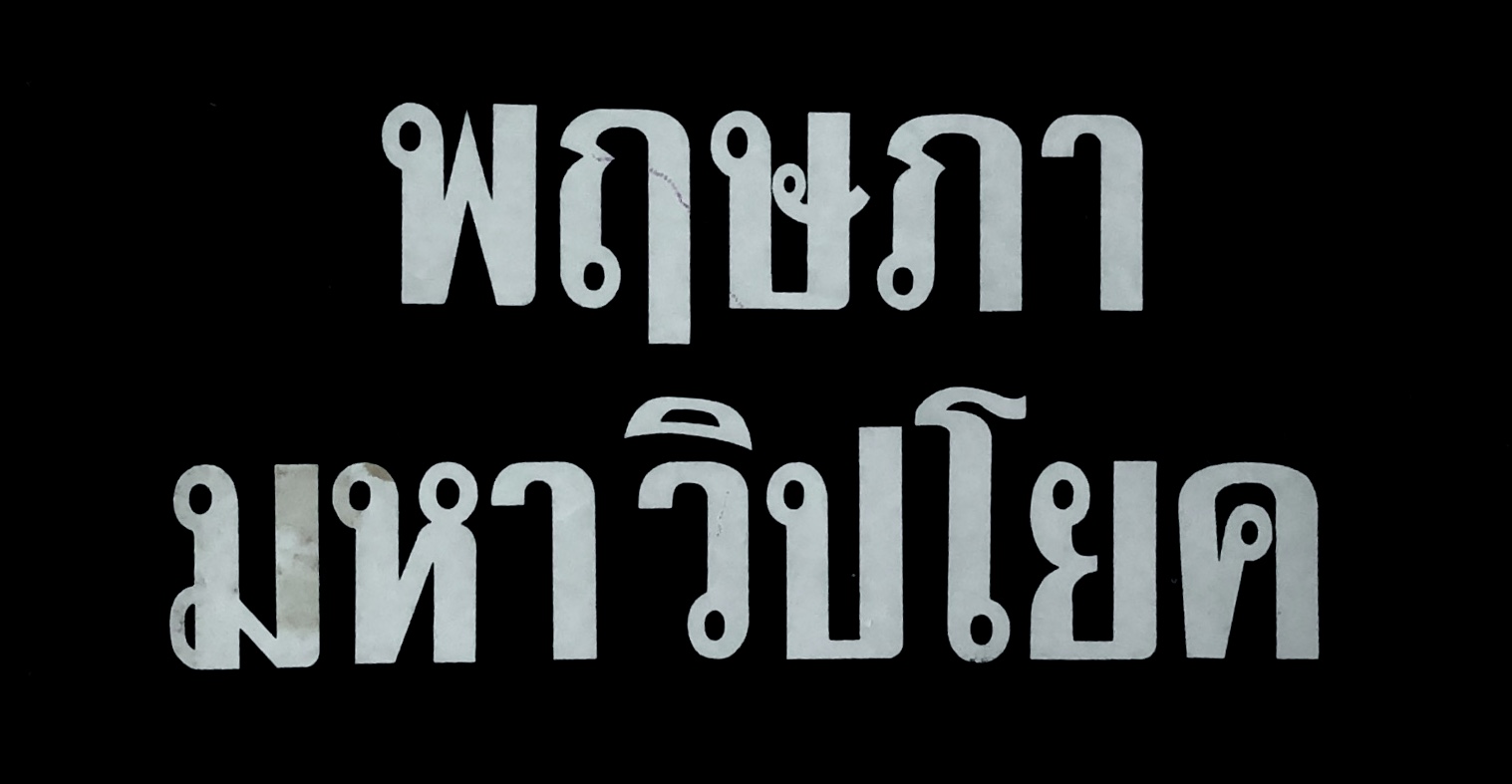
‘Black May’ is known in Thai as พฤษภาทมิฬ (‘cruel May’). Although he had campaigned for democracy in 1992, Chamlong later became a core leader of the People’s Alliance for Democracy, which — despite its name — was not a pro-democracy organisation.