

Vichart Somkaew’s new documentary Utopia of the Mind (แดนสวรรค์) was filmed at an abandoned prison in Phatthalung. As Vichart’s camera lingers on the crumbling brickwork and rusting bars, a voiceover by a former inmate recalls the prison’s rules and routines.
We see photographs of political prisoners from different generations. Khrong Chandawong, a pro-democracy politician, was executed on the orders of Sarit Thanarat. The ‘four tigers’ of Isan were MPs killed by the police for their opposition to Plaek Phibunsongkhram. Recent protesters such as Arnon Nampa and Netiporn Sanesangkhom were convicted of lèse-majesté.
We see photographs of political prisoners from different generations. Khrong Chandawong, a pro-democracy politician, was executed on the orders of Sarit Thanarat. The ‘four tigers’ of Isan were MPs killed by the police for their opposition to Plaek Phibunsongkhram. Recent protesters such as Arnon Nampa and Netiporn Sanesangkhom were convicted of lèse-majesté.
What they have in common, aside from their jail sentences, is their commitment to political change. As the film’s title suggests, even when deprived of their freedom, their spirits weren’t broken.
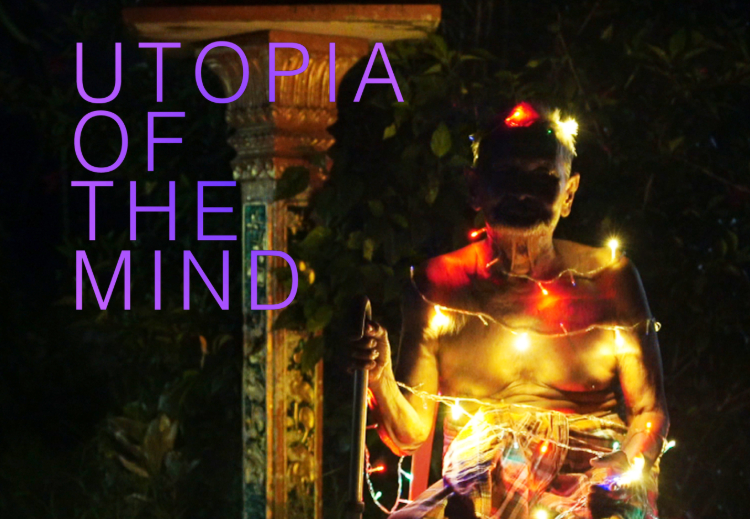
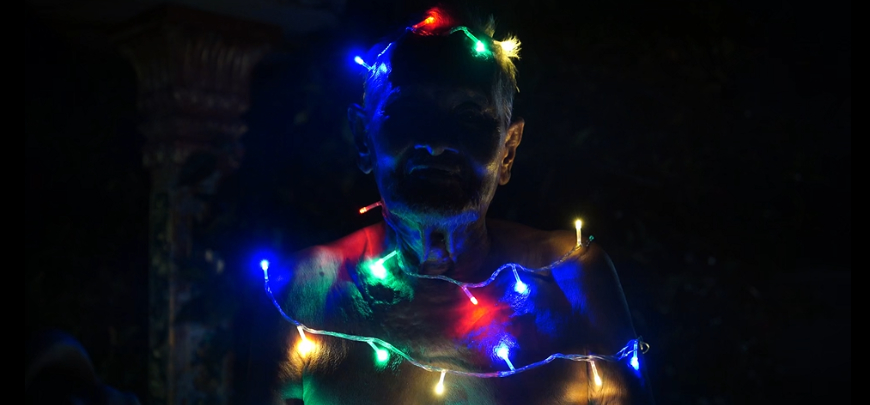
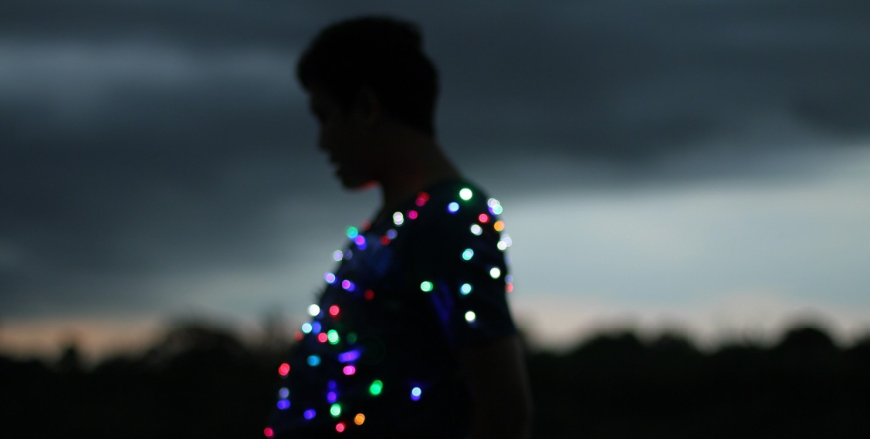
This sense of light in the darkness is reflected by a surreal moment in Vichart’s film: an elderly man who has wrapped a strip of multicoloured lights around himself. Apichatpong Weerasethakul’s Power Boy photographs have a similar concept, as does a sequence in Phuttiphong Aroonpheng’s film Manta Ray (กระเบนราหู).
This sense of light in the darkness is reflected by a surreal moment in Vichart’s film: an elderly man who has wrapped a strip of multicoloured lights around himself. Apichatpong Weerasethakul’s Power Boy photographs have a similar concept, as does a sequence in Phuttiphong Aroonpheng’s film Manta Ray (กระเบนราหู).
Utopia of the Mind also reminds me of a quote from Yuthlert Sippapak. When I interviewed him for Thai Cinema Uncensored, he spoke about the contrast between mental and physical freedom: “We are in a jail of imagination. We are like painting in prison. Yes, we can paint, but painting in prison.”
Vichart’s previous short films include Cremation Ceremony (ประวัติย่อของบางสิ่งที่หายไป), 112 News from Heaven, The Letter from Silence (จดหมายจากความเงียบ), Antipsychotics, The Poem of the River, Sleeping Together (ราตรีวิไล), and The Southern Echo. He has also directed the portmanteau film Contemporary Thai Political Trilogy (ไตรภาคการเมืองร่วมสมัยไทย) and the feature-length documentary When My Father Was a Communist (เมื่อพ่อผมเป็นคอมมิวนิสต์).
Vichart’s previous short films include Cremation Ceremony (ประวัติย่อของบางสิ่งที่หายไป), 112 News from Heaven, The Letter from Silence (จดหมายจากความเงียบ), Antipsychotics, The Poem of the River, Sleeping Together (ราตรีวิไล), and The Southern Echo. He has also directed the portmanteau film Contemporary Thai Political Trilogy (ไตรภาคการเมืองร่วมสมัยไทย) and the feature-length documentary When My Father Was a Communist (เมื่อพ่อผมเป็นคอมมิวนิสต์).