


In Harpy: A Manifesto for Childfree Women, Caroline Magennis argues that woman need not feel guilty for not having children. After searching for an appropriate description of herself as a woman without children, she settled on ‘harpy’: “I had tried on different words, and none of them stuck until Harpy.”
Although a harpy is generally depicted as a winged monster, Magennis embraces these physical characteristics as a metaphorical means of escape from criticism: “Through the harpy I want to find a way to turn both the passive-aggressive and direct stigma into something that felt like it had a terrifying power... The harpy came to mean, to me, all the ways in which we had been depicted but also a way out, even if we had to fly away and use our claws to get there.”
Magennis shows how childfree women are demonised by popular culture (specifically, tabloid newspapers and Hollywood films). She cites Lady Macbeth as “the epitome of the ruthless childless monster”, though she also highlights negative cultural archetypes such as wicked stepmothers.
Although a harpy is generally depicted as a winged monster, Magennis embraces these physical characteristics as a metaphorical means of escape from criticism: “Through the harpy I want to find a way to turn both the passive-aggressive and direct stigma into something that felt like it had a terrifying power... The harpy came to mean, to me, all the ways in which we had been depicted but also a way out, even if we had to fly away and use our claws to get there.”
Magennis shows how childfree women are demonised by popular culture (specifically, tabloid newspapers and Hollywood films). She cites Lady Macbeth as “the epitome of the ruthless childless monster”, though she also highlights negative cultural archetypes such as wicked stepmothers.
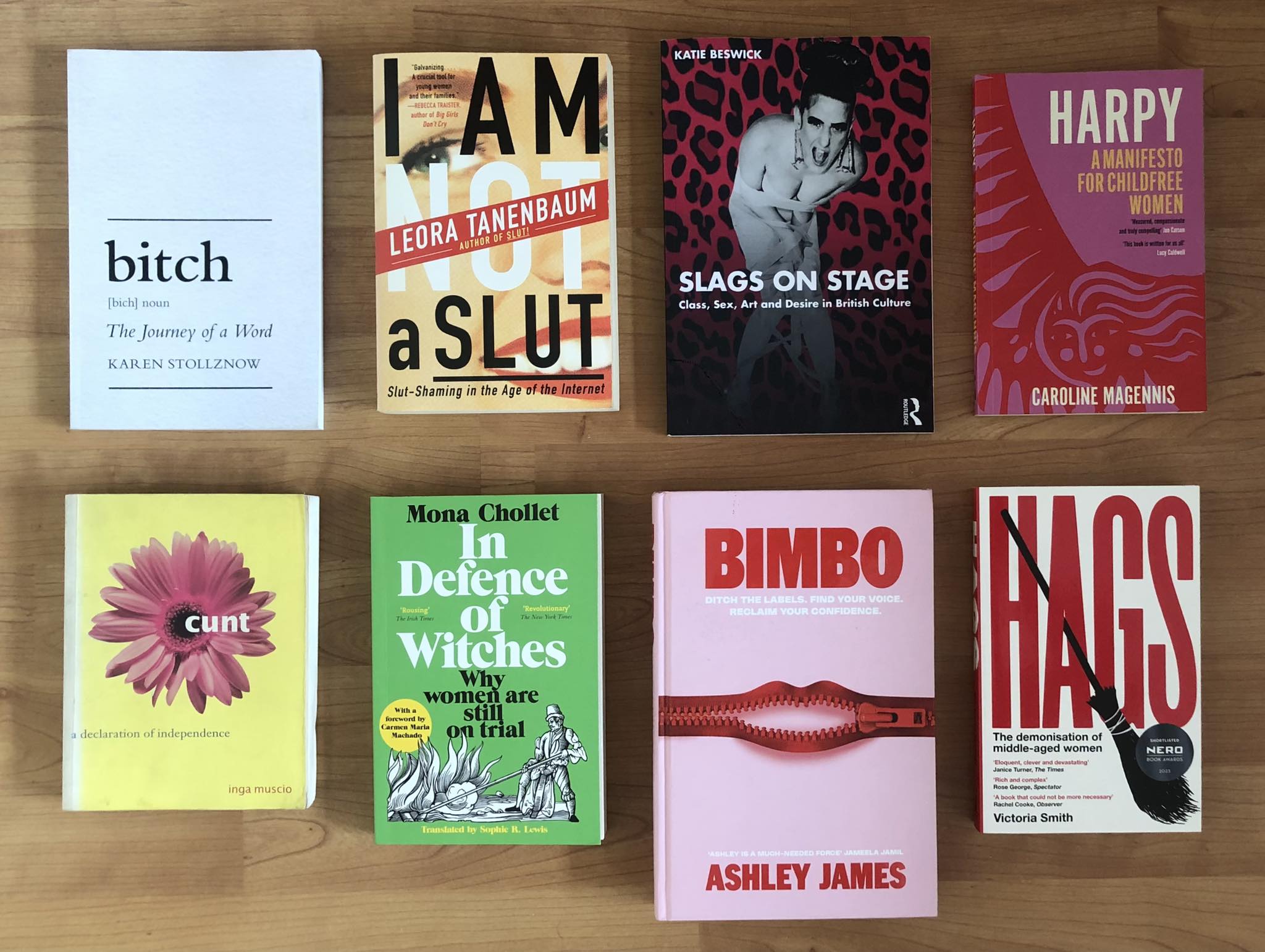
Mary Daly, in Gyn/Ecology (1978), sought to reclaim ‘harpy’, along with similar terms such as ‘witch’, ‘hag’, ‘crone’, and ‘spinster’. Harpy is one of a handful of recent feminist books whose titles refer to misogynistic insults. Other examples include Hags by Victoria Smith, Bitch by Karen Stollznow, Slags on Stage by Katie Beswick, In Defence of Witches by Mona Chollet (which includes a chapter on The No-Child Option), Bimbo by Ashley James, and several books that tackle the word ‘slut’ (I Am Not a Slut, This Is What a Feminist Slut Looks Like, Wordslut, and Sluts).